

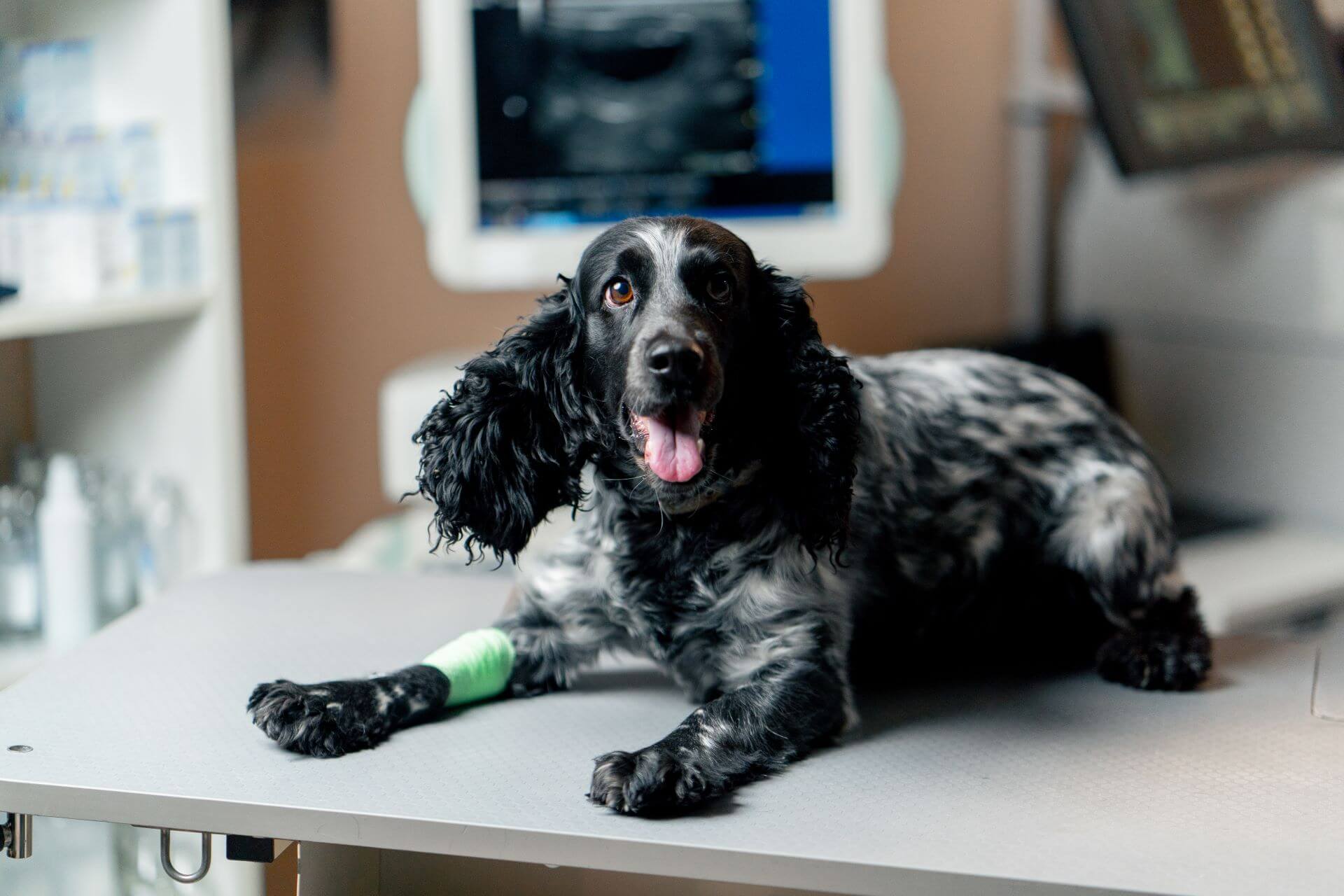
A dog’s paws are essential for movement, play, and daily activities, but they are also vulnerable to injuries, including toe and metacarpal fractures. These fractures can occur due to falls, trauma, rough play, or accidents such as being stepped on or caught in something. A broken paw or toe can cause significant pain, swelling, and difficulty walking, making early diagnosis and treatment essential for proper healing.
Understanding the symptoms, diagnosis, and treatment options for paw and toe fractures can help dog owners provide the best care for their pets. In this guide, we’ll explore signs of a broken paw, treatment options, recovery tips, and when to seek emergency care.
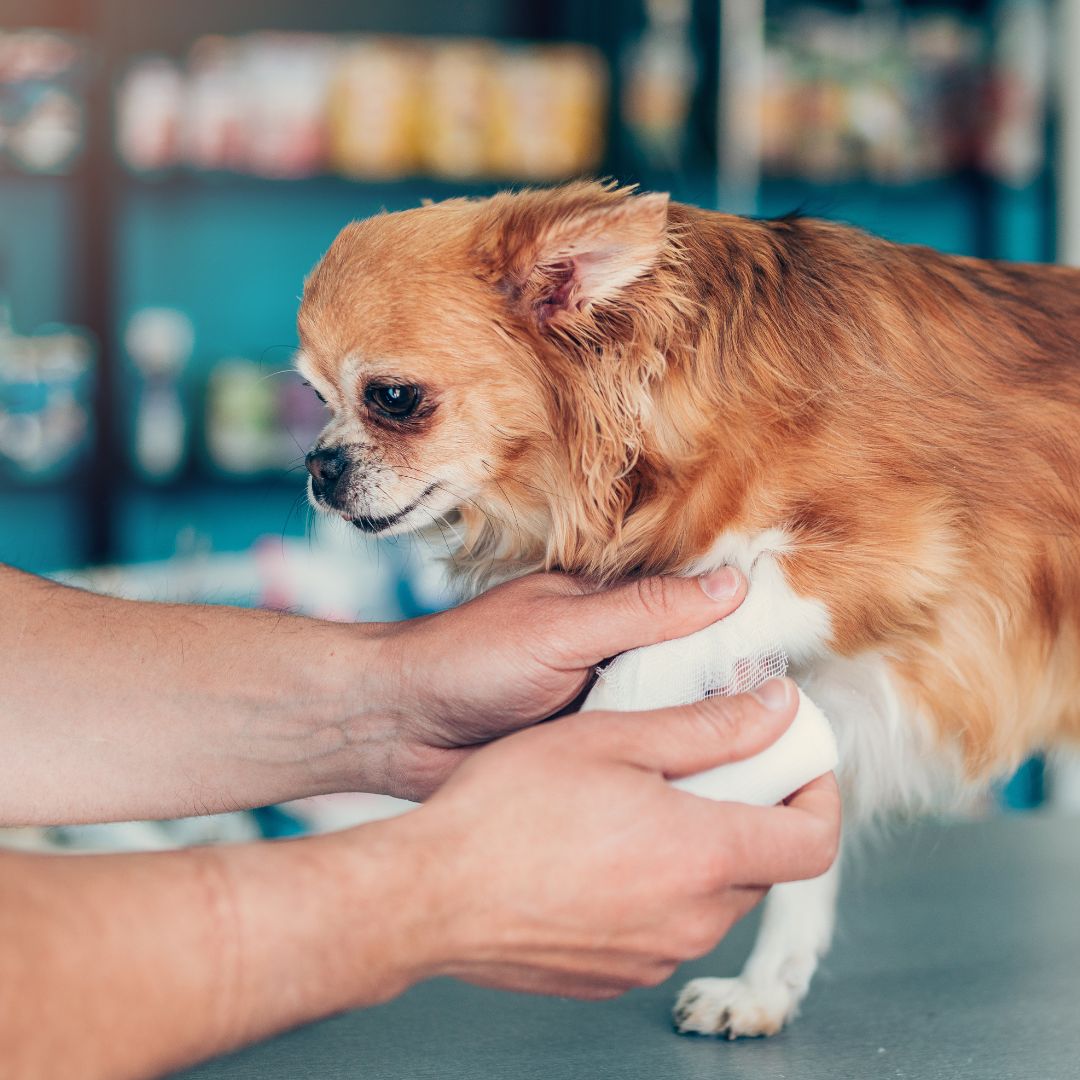
Detecting a fractured paw or toe in dogs can be challenging, especially since dogs may instinctively try to hide pain. However, common signs indicate an injury that requires veterinary attention:
If you notice these signs, it’s important to seek veterinary care promptly to prevent worsening the injury and ensure a smooth recovery.
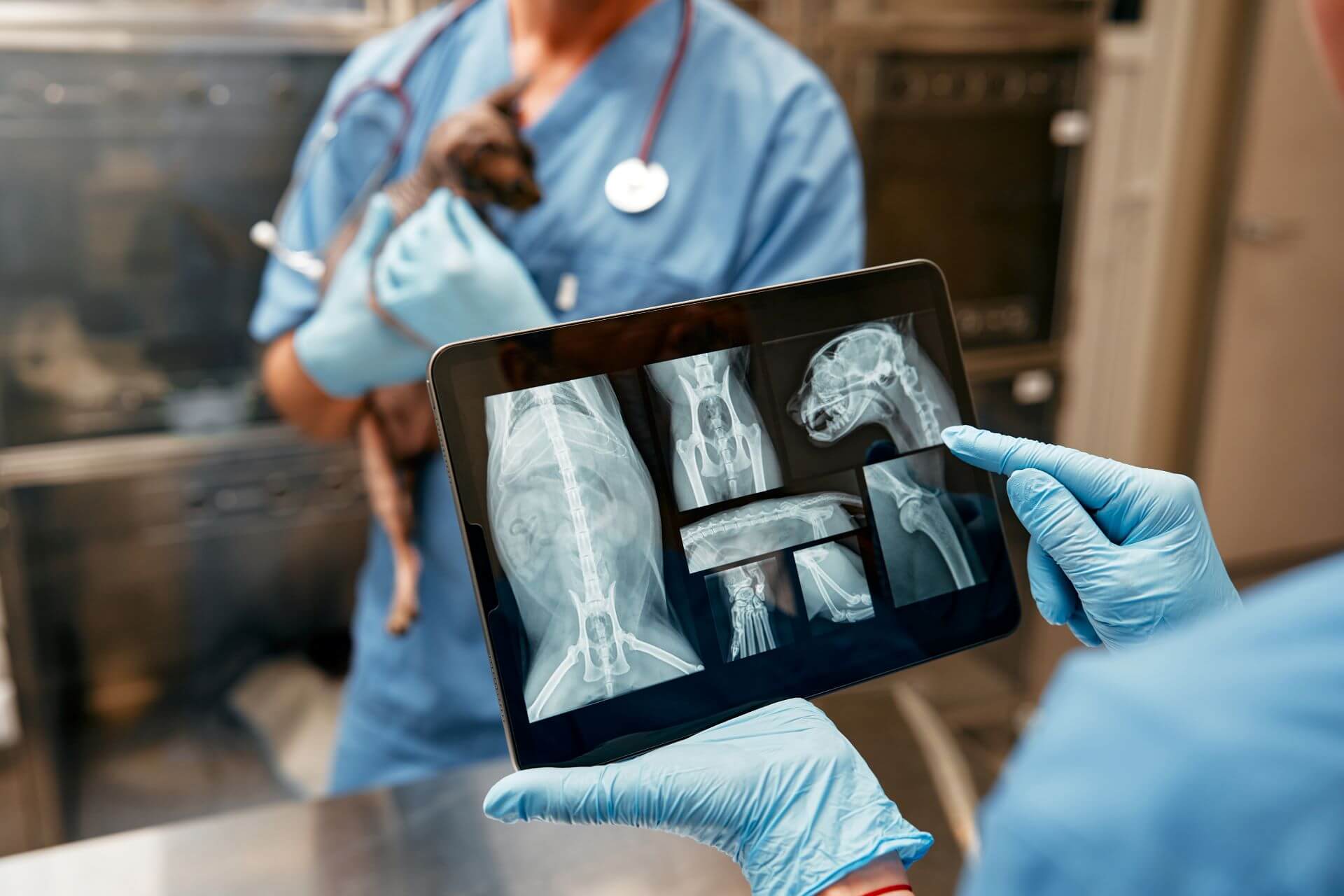
Veterinarians use several methods to diagnose a broken paw or toe in dogs. The process typically includes:
Once a fracture is diagnosed, your veterinarian will recommend the most appropriate treatment plan based on the location and severity of the break.
At Veterinary Bone and Joint Specialists, your pet’s mobility and well-being are our top priorities. With decades of experience, board certifications, and a passion for innovative orthopedic care, Dr. Mason offers advanced, minimally invasive treatments tailored to each patient.
His expertise in joint replacement, fracture repair, and regenerative medicine ensures your pet receives world-class care in a compassionate environment.




The treatment for a broken paw or toe depends on the type of fracture, its severity, and the dog’s overall health.
For simple, non-displaced fractures, splints or casts are commonly used to immobilize the paw and allow the bone to heal naturally.
This treatment typically lasts 4-6 weeks, with regular vet check-ups to ensure proper healing. Dogs must have restricted movement to prevent re-injury during the healing process.
For more serious fractures—such as displaced, crushed, or multiple bone breaks—surgery may be required.
Surgical repairs generally require 6-8 weeks of recovery, followed by restricted activity and physical therapy.
The recovery time for a broken paw or toe depends on the severity of the fracture and the treatment method used.
Estimated Healing Times:
Recovery Tips:
By carefully following recovery guidelines, your dog can heal fully and regain normal mobility.
A broken paw may appear swollen, bruised, or deformed, and your dog may refuse to bear weight on the injured leg. In severe cases, the toes may appear misaligned, or bone may be visible in an open fracture.
Without treatment, a broken paw may not heal properly, leading to chronic pain, malformation, or permanent mobility issues. Veterinary care ensures proper healing and prevents complications.
Until you reach a veterinarian, you can:
Unless instructed by a veterinarian, do not wrap the paw, as improper bandaging can worsen the injury. A vet will provide proper splinting or casting to ensure the best healing outcome.
A broken paw or toe can cause significant pain and mobility issues for your dog, but with prompt veterinary care, they can make a full recovery.
At Veterinary Bone and Joint Specialists, we offer expert fracture diagnosis and treatment, from splints and casting to advanced surgical repairs.
Don’t wait—contact us today to schedule an appointment and ensure your dog receives the best care for a speedy and pain-free recovery!
“Dr. Mason gave my dog a second chance at running—forever grateful!”
“Exceptional care! Our pup recovered faster than we imagined.”
“Highly skilled and compassionate—couldn’t ask for a better surgeon.”
“Dr. Mason’s expertise turned our pet’s pain into playful energy!”
“Top-notch orthopedic care! Our dog is back to hiking with us.”
“The best decision we made for our pet’s joint health!”
“Professional, kind, and truly cares—highly recommend!”
“Thanks to Dr. Mason, our senior dog moves like a puppy again!”
“Outstanding surgeon with a heart for animals.”
“Life-changing care—our dog is pain-free and happy!”
“Trustworthy, knowledgeable, and incredibly skilled.”
“Dr. Mason and his team are simply the best in orthopedic care!”