
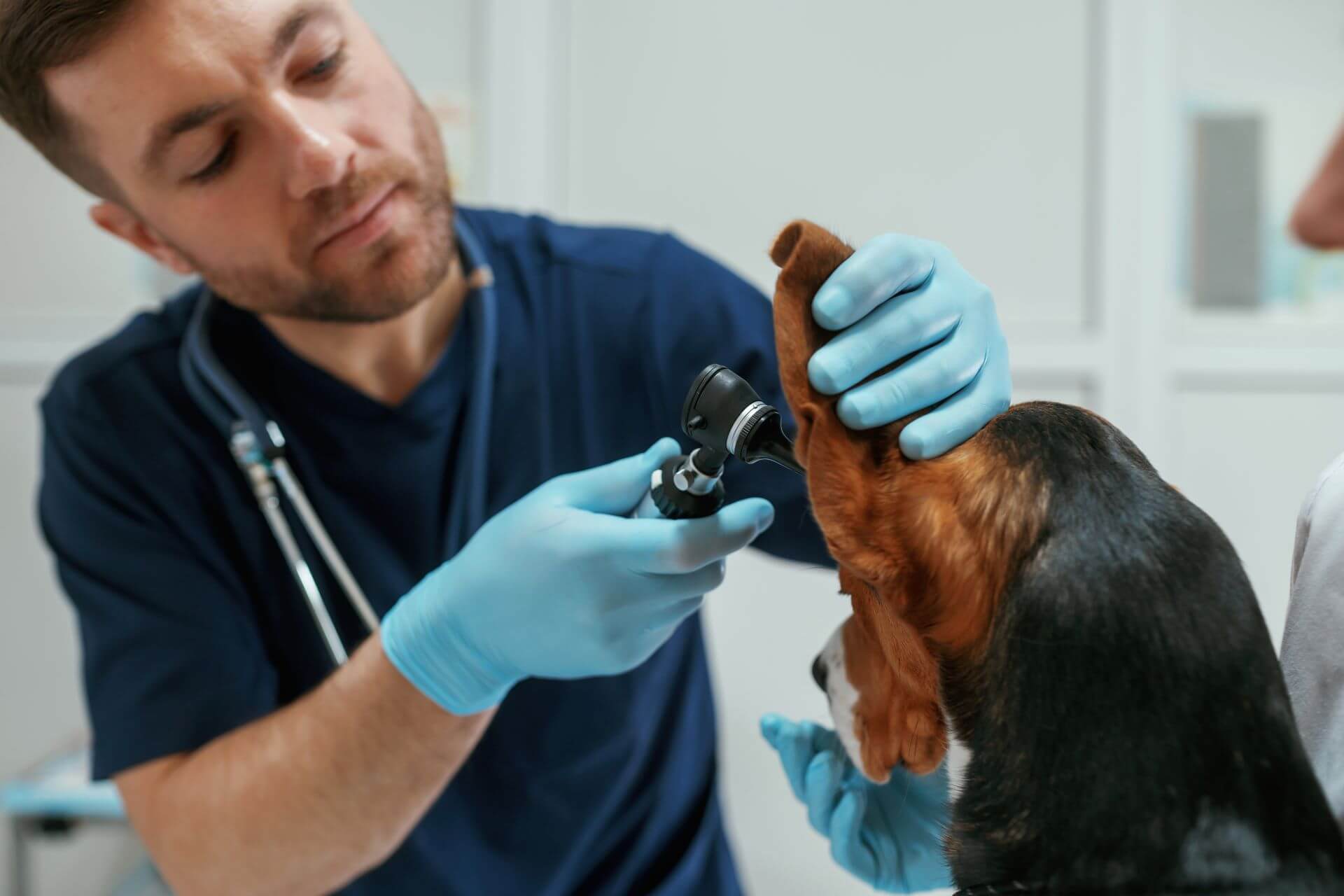
Arthroscopy is a minimally invasive procedure used in both veterinary and human medicine to diagnose and treat various joint diseases. It is performed using a specialized camera called an arthroscope.
The term originates from Greek: “arthro” means joint, “endo” means inner, and “skopein” means to look. Essentially, an arthroscope is a type of endoscope specifically designed for joint examination.
Arthroscopy involves the following steps:
Compared to traditional joint surgery, arthroscopy offers several benefits:
While technically possible in any joint, arthroscopy is most commonly performed on the:
At Veterinary Bone and Joint Specialists, your pet’s mobility and well-being are our top priorities. With decades of experience, board certifications, and a passion for innovative orthopedic care, Dr. Mason offers advanced, minimally invasive treatments tailored to each patient.
His expertise in joint replacement, fracture repair, and regenerative medicine ensures your pet receives world-class care in a compassionate environment.


Arthroscopy can diagnose and treat various joint conditions, including:
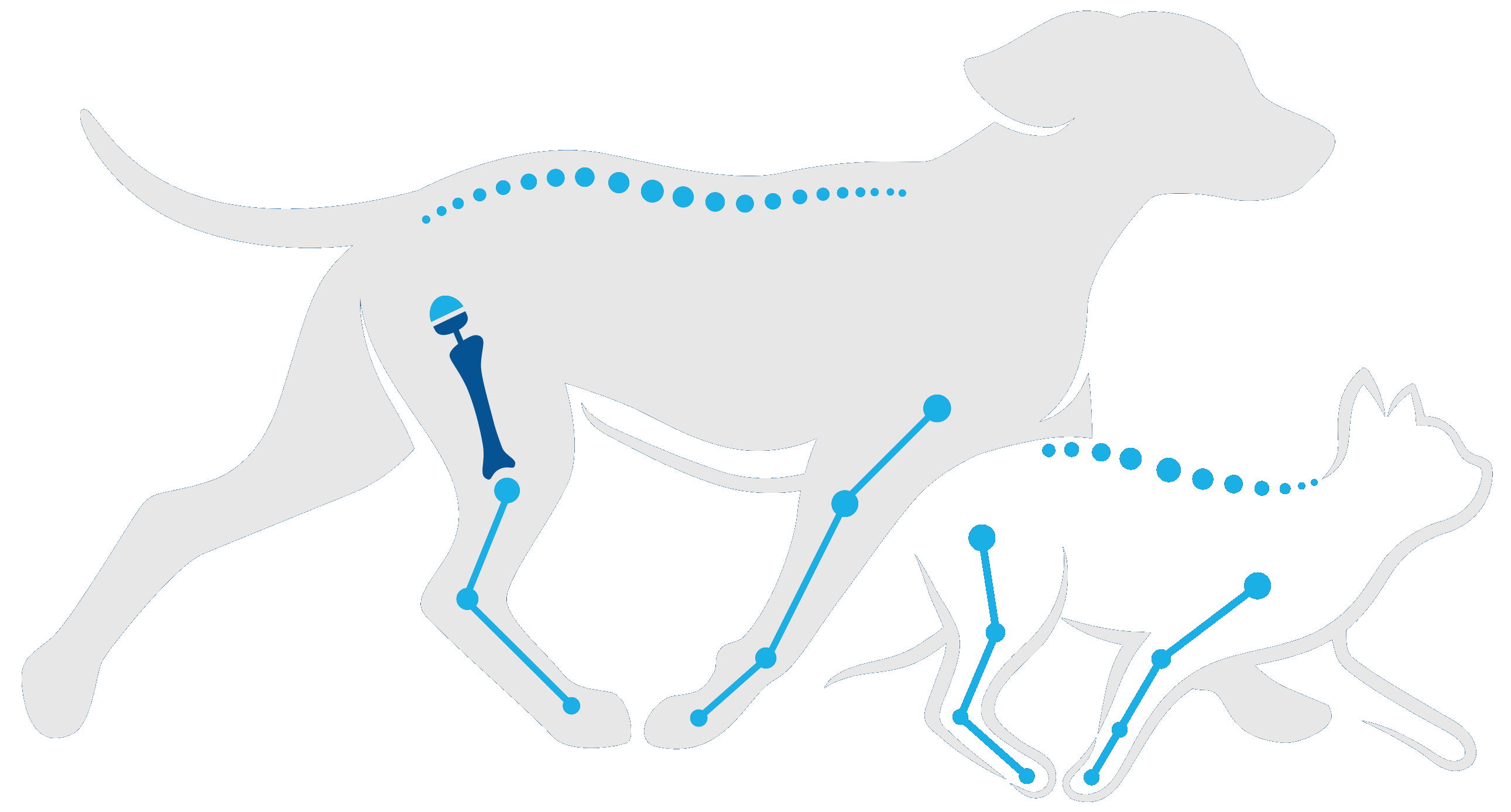
A veterinarian will determine if a pet is a good candidate for arthroscopy by:
Although arthroscopy is considered a low-risk procedure, potential complications include:
Recovery time varies based on the severity of the condition and the joint affected. General recovery guidelines include:
The cost of arthroscopy depends on the joint treated, the complexity, the location, whether the treatment is Diagnostic or Therapeutic (with surgical intervention), and the need for Post-Operative Care & Rehabilitation.
Costs may vary based on anesthesia, imaging, and follow-up visits. Consult with your veterinarian for an accurate estimate.
Arthroscopy is minimally invasive and generally less painful than open surgery. Pain medication is provided to ensure comfort during recovery.
Most dogs can bear weight soon after the procedure, but restricted activity is recommended for optimal healing.
Yes, traditional open surgery and non-surgical treatments (like medications and physical therapy) may be options, depending on the condition.
Arthroscopy has a high success rate, particularly for diagnosing and treating joint disorders with minimal complications.
Yes, early intervention with arthroscopy can help slow the progression of arthritis by removing painful joint debris and treating early joint damage.
If your dog is experiencing joint pain or mobility issues, contact Vet Bone and Joint Specialists to schedule a consultation.
Dr. David R. Mason, DACVS, DECVS, MRCVS, specializes in advanced arthroscopic procedures to restore joint function and improve your pet’s quality of life.
“Dr. Mason gave my dog a second chance at running—forever grateful!”
“Exceptional care! Our pup recovered faster than we imagined.”
“Highly skilled and compassionate—couldn’t ask for a better surgeon.”
“Dr. Mason’s expertise turned our pet’s pain into playful energy!”
“Top-notch orthopedic care! Our dog is back to hiking with us.”
“The best decision we made for our pet’s joint health!”
“Professional, kind, and truly cares—highly recommend!”
“Thanks to Dr. Mason, our senior dog moves like a puppy again!”
“Outstanding surgeon with a heart for animals.”
“Life-changing care—our dog is pain-free and happy!”
“Trustworthy, knowledgeable, and incredibly skilled.”
“Dr. Mason and his team are simply the best in orthopedic care!”