

Cranial Cruciate Ligament (CCL) disease is one of the most common orthopedic conditions affecting dogs, leading to pain, lameness, and reduced mobility.
Similar to an ACL injury in humans, CCL disease occurs when the ligament in the knee joint weakens or tears, often due to degeneration, trauma, or excessive strain.
This condition can develop gradually or result from a sudden injury, impacting a dog’s ability to walk comfortably. While surgical intervention is often recommended, non-surgical management, including weight control, physical therapy, and pain management, may also provide relief.
Early diagnosis and appropriate treatment are crucial for improving a dog’s quality of life.
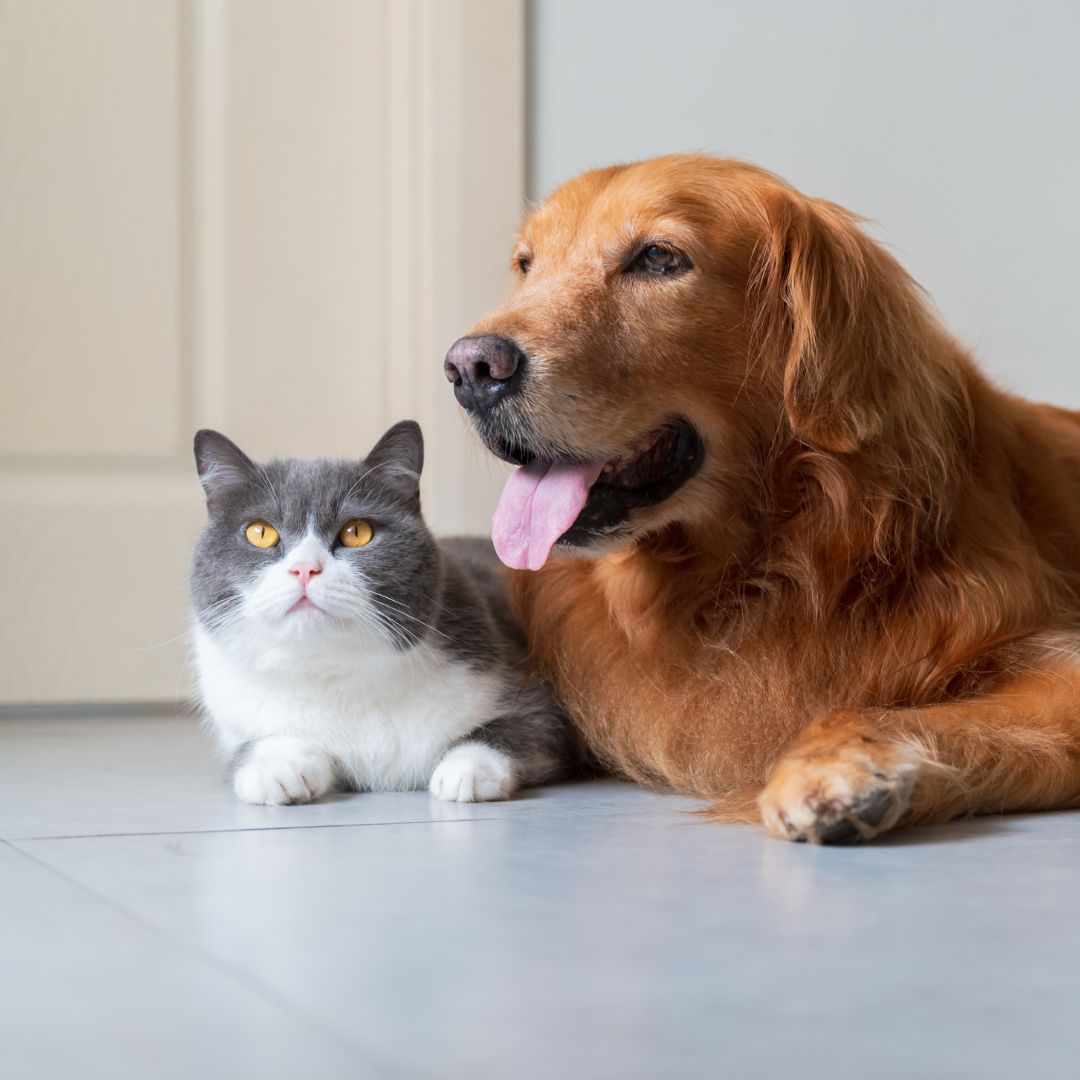
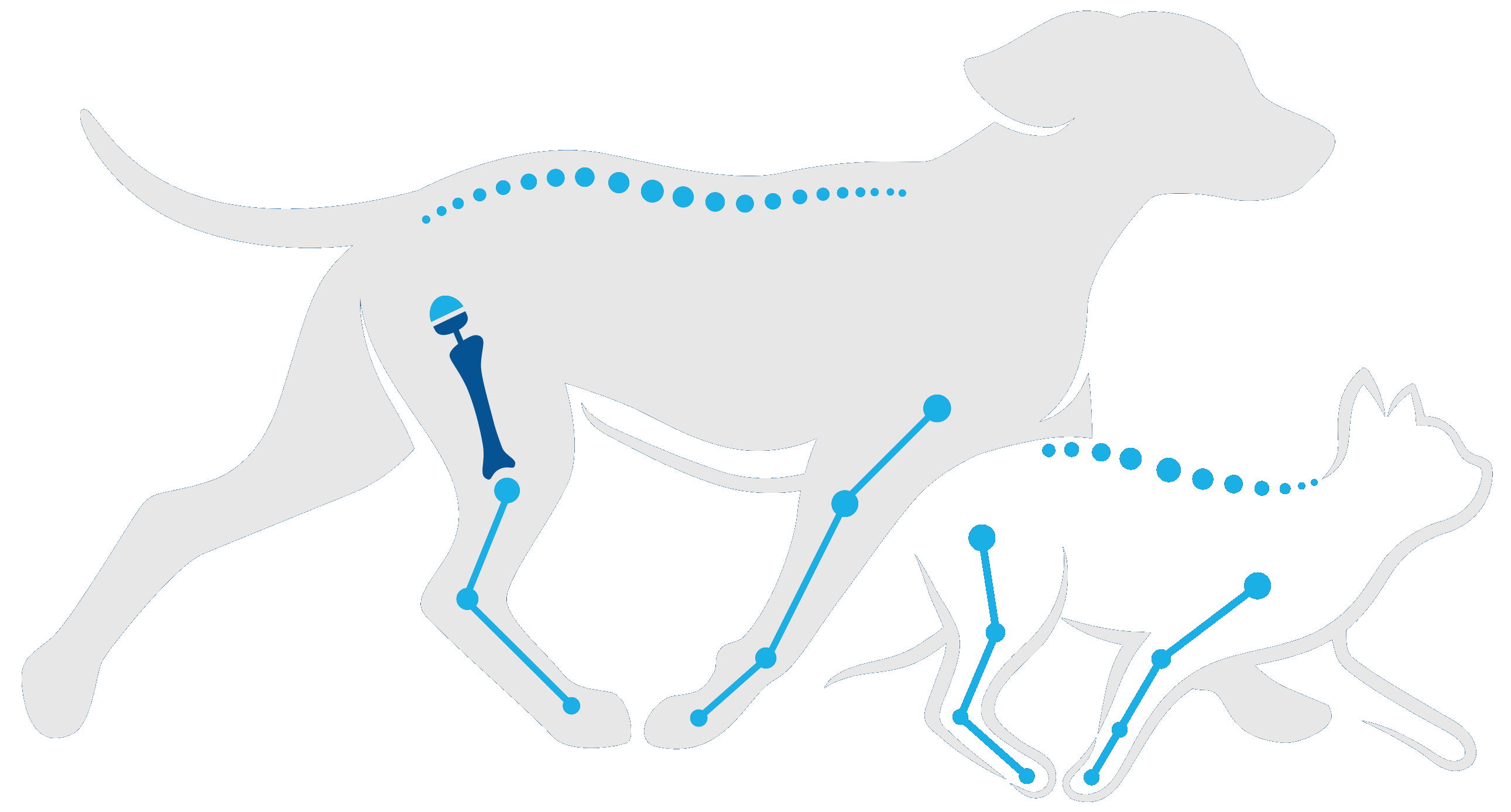
The cranial cruciate ligament is one of the primary stabilizers of the knee joint (stifle) in dogs and cats. It connects the femur (thigh bone) to the tibia (shin bone) and prevents the tibia from sliding forward relative to the femur (cranial drawer).
When this ligament is damaged or completely torn, it compromises the stability of the knee, leading to pain, swelling, and reduced mobility.
CCL injuries can occur due to acute trauma, but they often result from chronic degeneration caused by factors such as age, obesity, or genetic predisposition.
Breeds like Labrador Retrievers, Rottweilers, and Boxers are particularly prone to CCL injuries. This issue is seen in almost every breed of dog and cat.
Common signs include intermittent or persistent limping, difficulty rising, swelling around the knee, reluctance to jump, and reduced activity.
At VBJS we will almost exclusively perform TPLO or a lateral suture stabilization technique
At Veterinary Bone and Joint Specialists, your pet’s mobility and well-being are our top priorities. With decades of experience, board certifications, and a passion for innovative orthopedic care, Dr. Mason offers advanced, minimally invasive treatments tailored to each patient.
His expertise in joint replacement, fracture repair, and regenerative medicine ensures your pet receives world-class care in a compassionate environment.


Our recommendation would be anytime that your pet has clinical signs of pain or lameness. Occasionally the patient might be still growing and the timing of surgery could be adjusted
Yes. See description of non surgical care below. Owners need to understand normal level of activity is very unlikely to be achieved
Call for costs. Many factors depending on health status and patient considerations
Yes, a dog may recover from a torn cruciate ligament (CCL) without surgery through conservative treatment, including rest, pain management, and rehabilitation.
However, recovery depends on the severity of the tear and individual factors specific to the dog.
If ACL surgery for your dog isn’t affordable, consider non-surgical alternatives such as medical management, physical therapy, and weight control. You can also look into financial assistance from charities or veterinary schools.
Yes. Limping is almost always the clinical manifestation of pain. The pain can be variable throughout the day and can related to the degree of activity of the pet, weight, administration of medications and other medical factors
Osteoarthritis doesn’t have to mean a reduced quality of life for your pet. With advances in non-surgical treatments like physical therapy, nutraceuticals, regenerative medicine, Librela, Adequan, dietary management, laser therapy, and shockwave therapy, it’s possible to manage pain, improve mobility, and enhance their overall well-being.
At Veterinary Bone and Joint Specialists, we offer comprehensive osteoarthritis management tailored to your pet’s unique needs. Contact us today to learn more about how we can help your dog or cat live a happier, more comfortable life.
“Dr. Mason gave my dog a second chance at running—forever grateful!”
“Exceptional care! Our pup recovered faster than we imagined.”
“Highly skilled and compassionate—couldn’t ask for a better surgeon.”
“Dr. Mason’s expertise turned our pet’s pain into playful energy!”
“Top-notch orthopedic care! Our dog is back to hiking with us.”
“The best decision we made for our pet’s joint health!”
“Professional, kind, and truly cares—highly recommend!”
“Thanks to Dr. Mason, our senior dog moves like a puppy again!”
“Outstanding surgeon with a heart for animals.”
“Life-changing care—our dog is pain-free and happy!”
“Trustworthy, knowledgeable, and incredibly skilled.”
“Dr. Mason and his team are simply the best in orthopedic care!”