
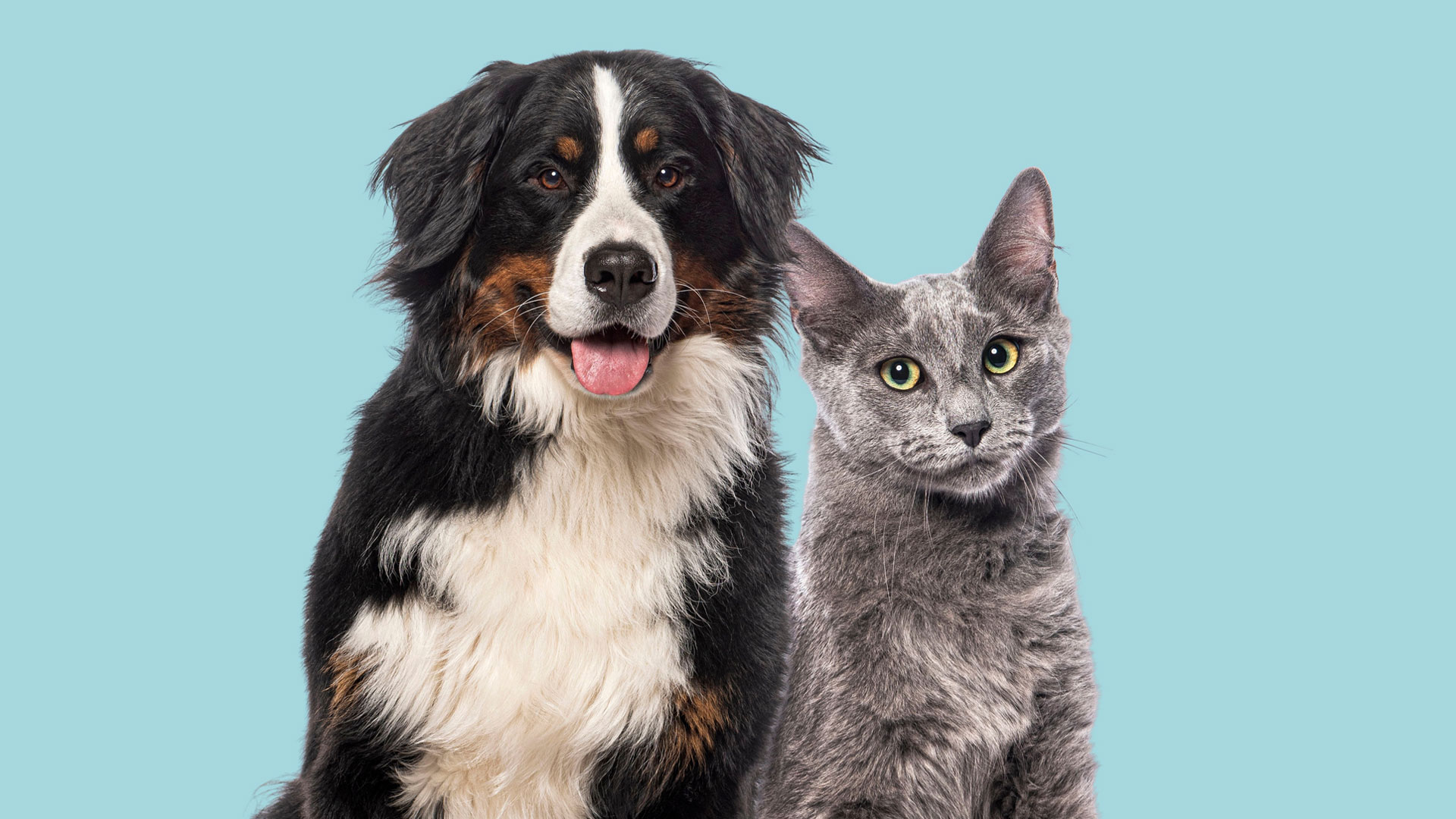
Osteoarthritis (OA) is a degenerative joint condition that affects many dogs and cats, especially as they age. It causes pain, stiffness, and reduced mobility, significantly impacting their quality of life. While surgery may be necessary for severe cases, many pets benefit from non-surgical treatments. This article explores effective strategies, including physical therapy, nutraceuticals, regenerative medicine, advanced medications like Librela and Adequan, rehabilitation and dietary management to manage osteoarthritis in dogs and cats.
Osteoarthritis occurs when the cartilage in a joint deteriorates over time, leading to inflammation, pain, and decreased joint function. Common causes include:
Symptoms of osteoarthritis include:
If you notice these signs, consult your veterinarian for a diagnosis and treatment plan.
1. Physical Therapy. Physical therapy is a cornerstone of osteoarthritis management, improving joint mobility, muscle strength, and overall comfort. Techniques include:
A veterinary physical therapist can design a personalized program for your pet based on their specific needs.
2. Nutraceuticals. Nutraceuticals are dietary supplements that support joint health and reduce inflammation. Commonly recommended options include:
Nutraceuticals are most effective when used as part of a comprehensive treatment plan.
3. Regenerative Medicine. Regenerative therapies harness the body’s natural healing mechanisms to repair damaged tissues. Two key approaches include:
These cutting-edge techniques have shown promising results in managing osteoarthritis and improving mobility in pets.
4. Advanced Medications. Several medications are specifically designed to manage osteoarthritis pain and inflammation in pets:
5. Dietary Management. Diet plays a crucial role in managing osteoarthritis, particularly for pets who are overweight or require additional joint support. Veterinary-formulated orthopedic diets are designed to:
Examples of orthopedic-specific diets include:
A veterinarian can help determine the best diet for your pet based on their specific needs and condition.
6. Weight Management. Maintaining an ideal body weight is critical for pets with osteoarthritis. Excess weight increases stress on joints and exacerbates pain. Strategies include:
7. Rehabilitation. Rehabilitation combines multiple therapeutic approaches to help pets recover strength, mobility, and function after injury or in chronic conditions like osteoarthritis. Programs may include:
At Veterinary Bone and Joint Specialists, your pet’s mobility and well-being are our top priorities. With decades of experience, board certifications, and a passion for innovative orthopedic care, Dr. Mason offers advanced, minimally invasive treatments tailored to each patient.
His expertise in joint replacement, fracture repair, and regenerative medicine ensures your pet receives world-class care in a compassionate environment.

The most effective approach to managing osteoarthritis often involves a combination of treatments tailored to your pet’s specific needs. For example:
Osteoarthritis is a progressive condition, so ongoing monitoring is essential. Regular veterinary check-ups allow for adjustments to the treatment plan based on your pet’s response and disease progression.
Osteoarthritis doesn’t have to mean a reduced quality of life for your pet. With advances in non-surgical treatments like physical therapy, nutraceuticals, regenerative medicine, Librela, Adequan, dietary management, laser therapy, and shockwave therapy, it’s possible to manage pain, improve mobility, and enhance their overall well-being. At Veterinary Bone and Joint Specialists, we offer comprehensive osteoarthritis management tailored to your pet’s unique needs. Contact us today to learn more about how we can help your dog or cat live a happier, more comfortable life.
At Veterinary Bone and Joint Specialists, we are here to guide you every step of the way.
If you have any questions or concerns about your pet’s treatment, don’t hesitate to contact us. Together, we can ensure your pet’s health and well-being are our top priorities.
“Dr. Mason gave my dog a second chance at running—forever grateful!”
“Exceptional care! Our pup recovered faster than we imagined.”
“Highly skilled and compassionate—couldn’t ask for a better surgeon.”
“Dr. Mason’s expertise turned our pet’s pain into playful energy!”
“Top-notch orthopedic care! Our dog is back to hiking with us.”
“The best decision we made for our pet’s joint health!”
“Professional, kind, and truly cares—highly recommend!”
“Thanks to Dr. Mason, our senior dog moves like a puppy again!”
“Outstanding surgeon with a heart for animals.”
“Life-changing care—our dog is pain-free and happy!”
“Trustworthy, knowledgeable, and incredibly skilled.”
“Dr. Mason and his team are simply the best in orthopedic care!”