
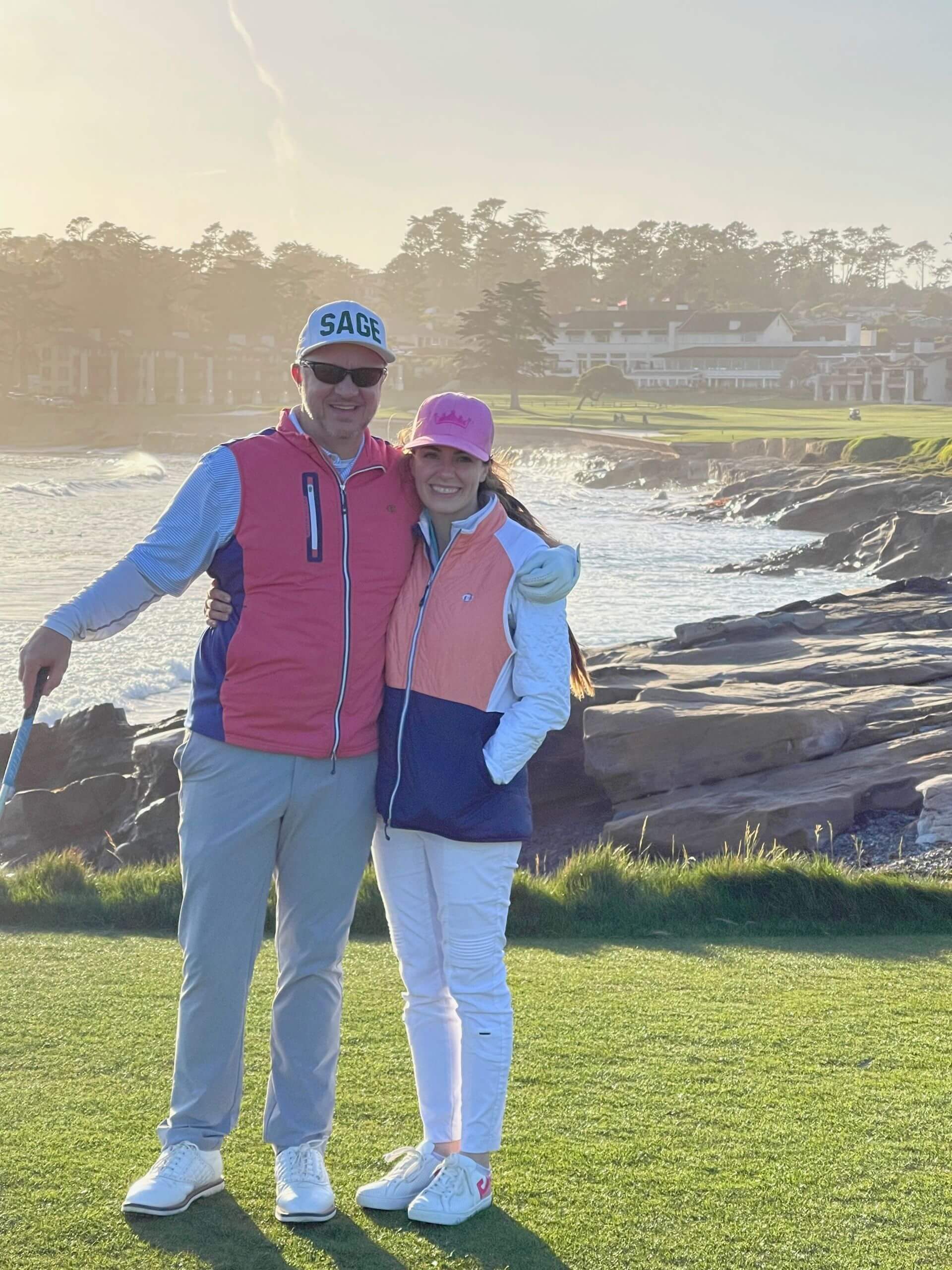
At Veterinary Bone and Joint Specialists, Dr. David Mason is a veterinary surgeon specializing in advanced orthopedic consultation and surgery.
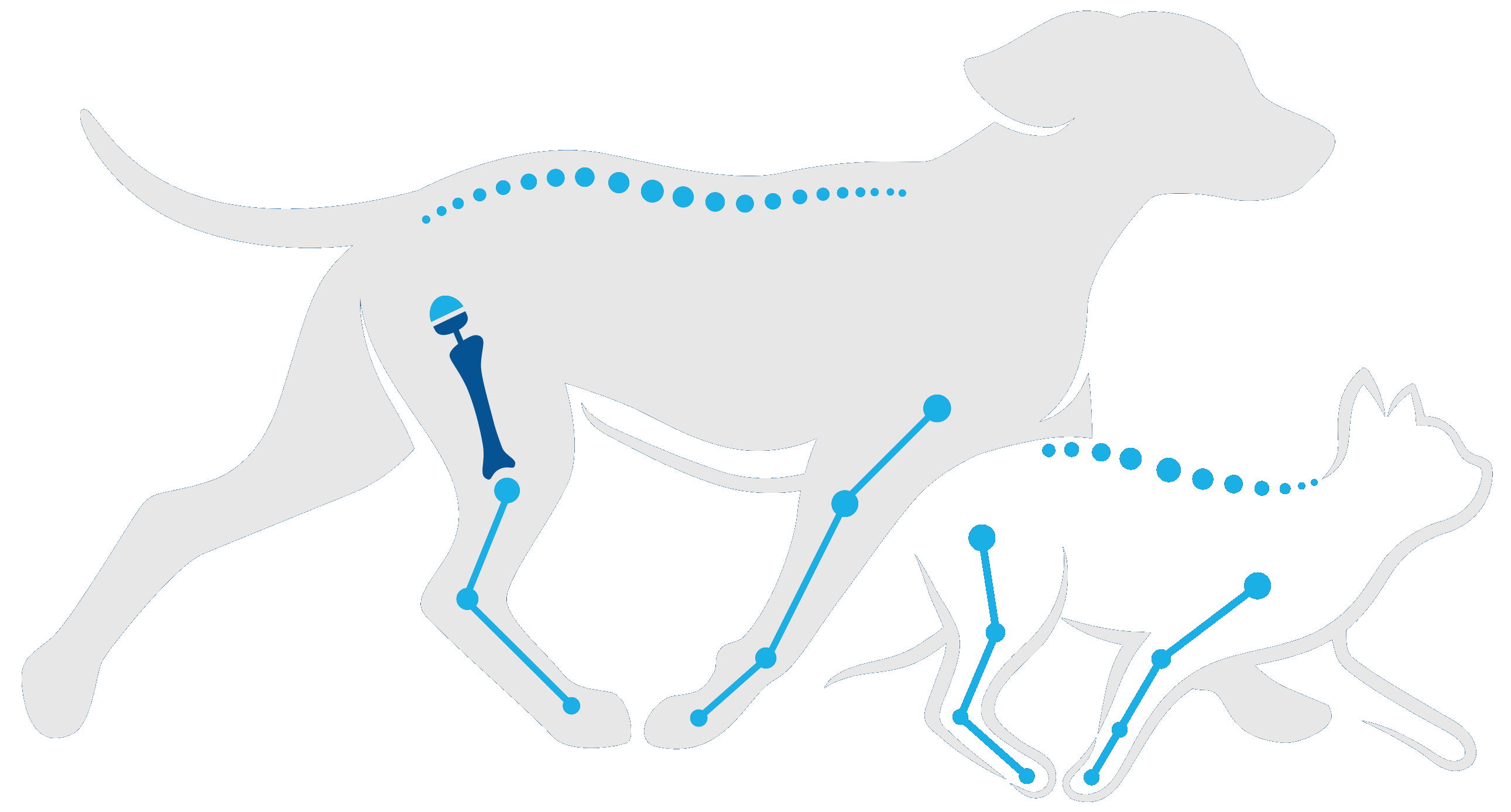
We provide state-of-the-art diagnostic and surgical procedures to treat joint, bone, and ligament conditions. Whether your pet suffers from hip dysplasia, ligament injuries, or fractures, our goal is to restore their mobility and quality of life.
If you’re looking for a trusted orthopedic veterinarian, we offer cutting-edge treatments for pets.
Cranial Cruciate Ligament (CCL) disease affects knee stability in dogs, leading to pain and mobility issues. Knee surgery repairs the ligament, restores joint function, and alleviates discomfort.
A ruptured cranial cruciate ligament (CCL) is one of the most common orthopedic injuries in dogs, leading to knee instability and pain.
TPLO surgery stabilizes the knee joint by altering the tibial slope, restoring mobility, and reducing long-term arthritis risk.
A non-invasive surgical alternative, lateral suture stabilization restores knee stability by placing a strong external suture.
For dogs experiencing kneecap dislocation, patella luxation repair realigns the kneecap, ensuring long-term stability and improved movement.
Trauma and fractures in pets can cause severe pain and mobility issues. Veterinary fracture repair stabilizes broken bones, promotes healing, and restores function through splints, casts, or surgical fixation.
Cats rely on their legs for balance and climbing. Fracture repair in cats procedures ensure proper healing and pain relief.
Fractured legs in dogs require immediate medical attention, with surgical intervention to realign bones and ensure complete healing.
Fractured toes and paws can limit mobility. Treatment options include splinting, casting, or surgical repair depending on severity.
A surgical procedure for severe hip dysplasia or arthritis, hip replacement restores mobility and reduces pain by replacing the damaged joint with an artificial one. It is recommended for dogs that no longer respond to medication or other treatments.
A genetic condition affecting large breeds, hip dysplasia results in poor hip joint fitment, leading to arthritis and mobility issues. Treatment options include medication and surgical intervention based on severity.
For severe hip dysplasia or arthritis, total hip replacement (THR) restores joint function with an artificial implant, significantly improving mobility and comfort.
Hip luxation, a dislocation of the hip joint, can result from trauma or joint disease. Treatment includes manual realignment or surgical correction for stability.
Arthroscopy is a minimally invasive procedure used to examine and treat joint conditions with small incisions, reducing trauma and promoting faster recovery.
Arthroscopy helps diagnose and treat joint disorders, including hip issues, while minimizing pain and recovery time.
A developmental condition causing joint pain and lameness, elbow dysplasia, can be effectively treated with arthroscopic cartilage removal.
Osteochondritis Dissecans (OCD) affects young dogs and involves loose cartilage in the joints. Arthroscopy helps remove damaged cartilage and improve joint healing.
We offer a range of non-invasive options to manage joint pain and mobility issues in pets, helping them stay active and comfortable without surgery.
Tailored physical therapy helps restore movement, strengthen muscles, and reduce pain—supporting your pet’s recovery and overall joint health.
From rehabilitation to regenerative medicine, our non-surgical approach helps manage osteoarthritis symptoms and improve your pet’s quality of life.
Using the body’s own healing abilities, regenerative therapies promote tissue repair, reduce inflammation, and support long-term joint function.
At Veterinary Bone and Joint Specialists, your pet’s mobility and well-being are our top priorities. With decades of experience, board certifications, and a passion for innovative orthopedic care, Dr. Mason offers advanced, minimally invasive treatments tailored to each patient.
His expertise in joint replacement, fracture repair, and regenerative medicine ensures your pet receives world-class care in a compassionate environment.
Signs that your pet may need orthopedic care include limping, difficulty standing, stiffness, joint swelling, and reluctance to play or jump. If you notice any of these symptoms, contact our orthopedic veterinarian in Charleston, SC.
TPLO surgery has a 90-95% success rate, significantly improving mobility and reducing arthritis risk in dogs with CCL injuries.
Costs vary depending on the procedure, but most orthopedic surgeries can range in the thousands.
If your pet is experiencing joint pain, injury, or mobility issues, our expert orthopedic veterinary team is here to help.
Book an appointment today with Veterinary Bone and Joint Specialists, providing expert care for pets.
Call us at (843) 791-2663 , veterinarian referrals only, to get expert care for your pet!
“Dr. Mason gave my dog a second chance at running—forever grateful!”
“Exceptional care! Our pup recovered faster than we imagined.”
“Highly skilled and compassionate—couldn’t ask for a better surgeon.”
“Dr. Mason’s expertise turned our pet’s pain into playful energy!”
“Top-notch orthopedic care! Our dog is back to hiking with us.”
“The best decision we made for our pet’s joint health!”
“Professional, kind, and truly cares—highly recommend!”
“Thanks to Dr. Mason, our senior dog moves like a puppy again!”
“Outstanding surgeon with a heart for animals.”
“Life-changing care—our dog is pain-free and happy!”
“Trustworthy, knowledgeable, and incredibly skilled.”
“Dr. Mason and his team are simply the best in orthopedic care!”