
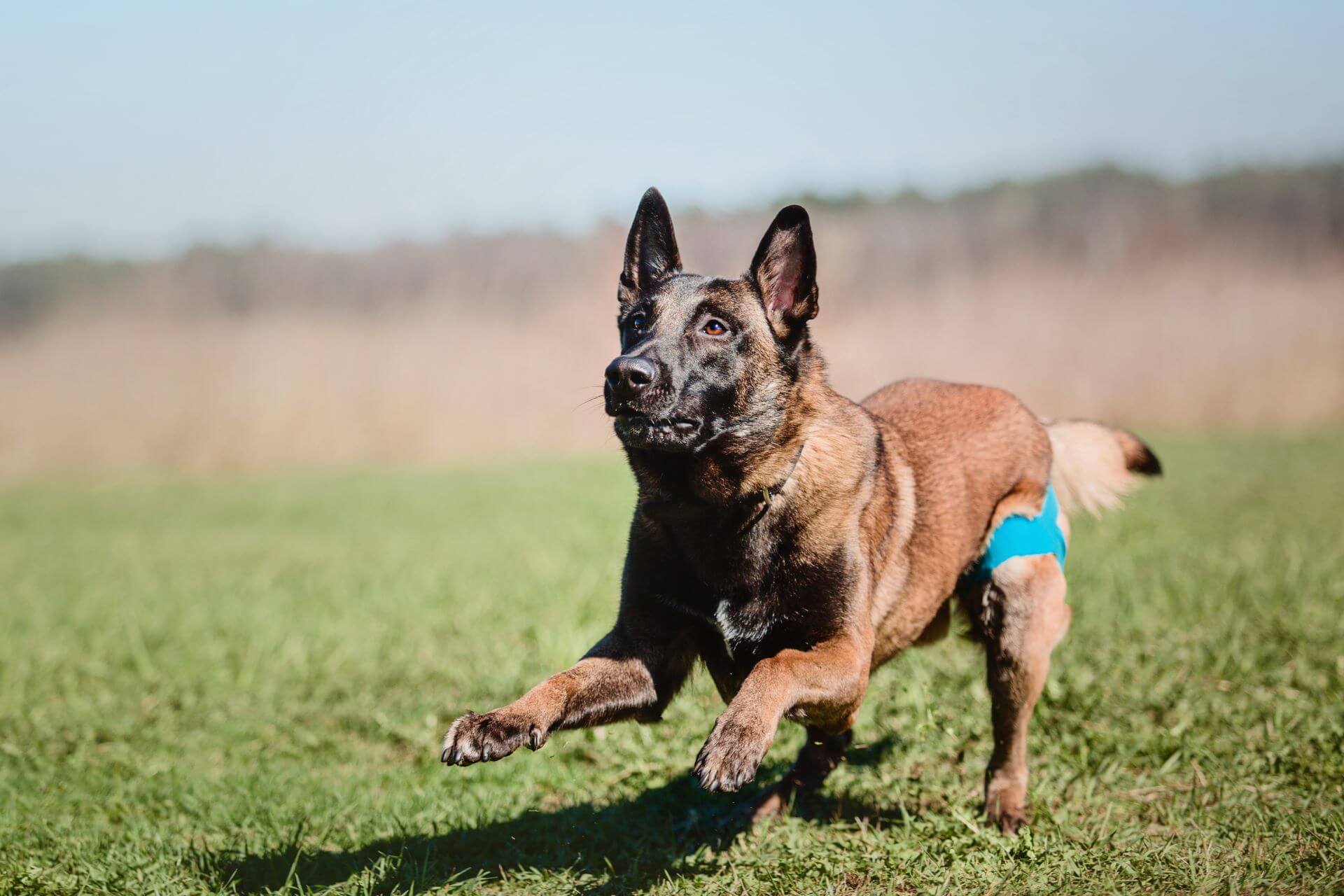
Hip luxation, or dislocation, occurs when the ball of the femur (the femoral head) moves out of the hip socket (acetabulum). This condition is often the result of trauma, such as being hit by a car or falling from a height, but it can also occur in dogs with underlying joint disease, such as hip dysplasia. The dislocation leads to severe pain, instability, and an inability to bear weight on the affected limb.
At Veterinary Bone and Joint Specialists Dr. David R. Mason, DACVS, DECVS, MRCVS, specializes in diagnosing and treating hip luxation in dogs using both surgical and non-surgical methods. Our goal is to restore hip function, reduce pain, and improve your pet’s quality of life.
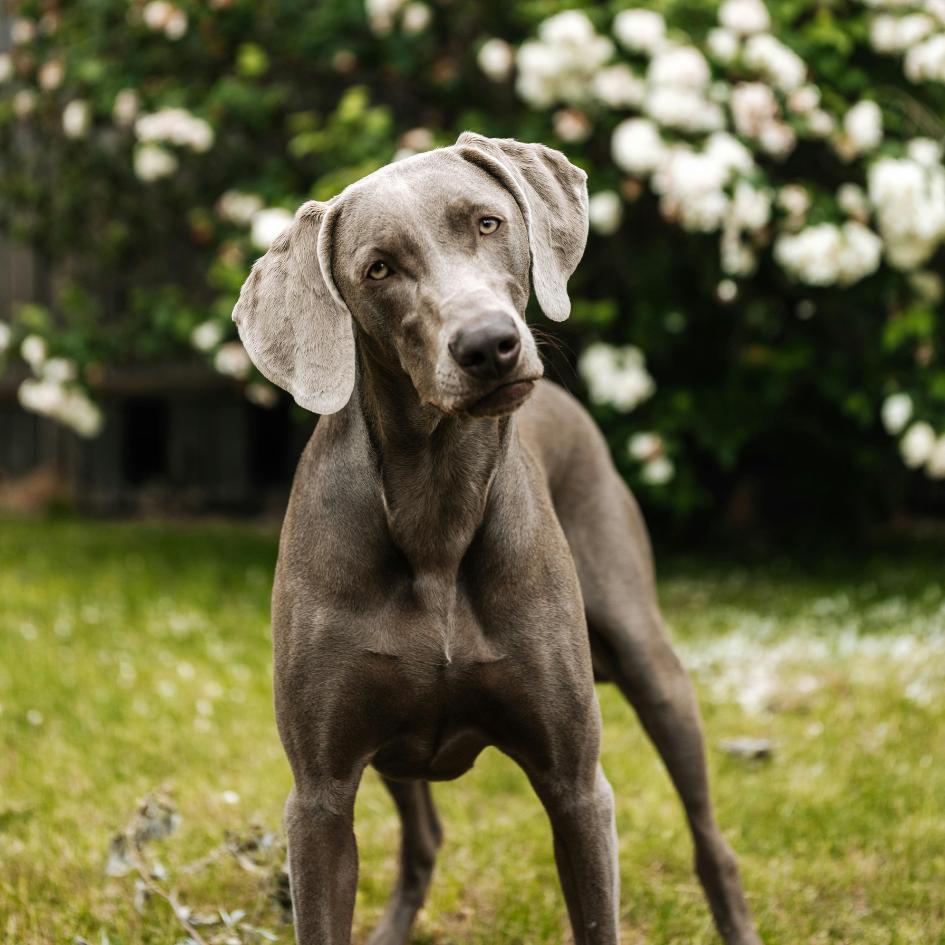
Hip luxation can occur due to:
Dogs with hip luxation may display the following signs:
If you notice any of these symptoms, seeking prompt veterinary care is crucial to prevent further complications and prolonged discomfort.
Veterinarians diagnose hip luxation through:
At Veterinary Bone and Joint Specialists, your pet’s mobility and well-being are our top priorities. With decades of experience, board certifications, and a passion for innovative orthopedic care, Dr. Mason offers advanced, minimally invasive treatments tailored to each patient.
His expertise in joint replacement, fracture repair, and regenerative medicine ensures your pet receives world-class care in a compassionate environment.




For some cases of hip luxation, particularly if the dislocation is recent and there is no underlying joint disease, a closed reduction may be attempted. This procedure involves manually manipulating the femoral head back into the hip socket under anesthesia.
If closed reduction is unsuccessful or not an option due to joint instability, surgery is required to restore proper alignment.
Pros:
Cons:
The cost of treating hip luxation depends on the method used. Post-operative care, rehabilitation, and medications can add to the overall expense. We recommend discussing financial options with our team to find the best plan for your pet’s needs.
Recovery depends on the severity of the injury and the treatment method:
Rehabilitation Tips:
No, hip luxation requires medical intervention. Without treatment, the joint remains unstable, leading to chronic pain, arthritis, and decreased mobility.
Yes, hip luxation is painful and can lead to further complications if left untreated. Immediate veterinary attention is necessary.
Yes, recurrence is possible, especially if underlying joint issues exist. Surgical intervention offers the best long-term stability.
Yes, larger breeds like Labrador Retrievers, German Shepherds, and Golden Retrievers are more prone due to hip dysplasia risks. Small breeds like Toy Poodles and Chihuahuas can also suffer from congenital joint instability. Hip luxation can occur in all breeds however as it is almost always due to some form of mechanical trauma.
If your dog is showing signs of hip luxation, contact Vet Bone and Joint Specialists for expert evaluation and treatment.
Dr. David R. Mason, DACVS, DECVS, MRCVS, specializes in advanced surgical and non-surgical interventions to restore your pet’s mobility and improve their quality of life.
“Dr. Mason gave my dog a second chance at running—forever grateful!”
“Exceptional care! Our pup recovered faster than we imagined.”
“Highly skilled and compassionate—couldn’t ask for a better surgeon.”
“Dr. Mason’s expertise turned our pet’s pain into playful energy!”
“Top-notch orthopedic care! Our dog is back to hiking with us.”
“The best decision we made for our pet’s joint health!”
“Professional, kind, and truly cares—highly recommend!”
“Thanks to Dr. Mason, our senior dog moves like a puppy again!”
“Outstanding surgeon with a heart for animals.”
“Life-changing care—our dog is pain-free and happy!”
“Trustworthy, knowledgeable, and incredibly skilled.”
“Dr. Mason and his team are simply the best in orthopedic care!”