

TPLO is a surgical procedure designed to address the instability caused by a CCL rupture. Unlike traditional ligament repair methods that attempt to replace or reconstruct the damaged ligament, TPLO changes the biomechanics of the knee to eliminate the need for a functional CCL.
The procedure involves:
By leveling the tibial plateau, TPLO neutralizes the forward sliding motion of the tibia that occurs in the absence of a functional CCL. This provides immediate stability to the joint and allows the dog to begin weight-bearing relatively quickly after surgery.
With the evolution of smaller implants for this procedure I have performed in animals as small as 3 pounds and so essentially it is now an option for all patients regardless of size.

At Veterinary Bone and Joint Specialists, your pet’s mobility and well-being are our top priorities. With decades of experience, board certifications, and a passion for innovative orthopedic care, Dr. Mason offers advanced, minimally invasive treatments tailored to each patient.
His expertise in joint replacement, fracture repair, and regenerative medicine ensures your pet receives world-class care in a compassionate environment.

Post-surgery care & recovery timeline Immediate Postoperative Care. After surgery, your pet will typically remain hospitalized for 12-24 hours. This allows us to provide continuous, individualized care and ensure a safe transition to home care.
What Happens in the Hospital:
Owner Involvement:
We encourage visits or calls to check on your pet. However, we recommend waiting at least four hours after surgery to allow your pet time to wake up from anesthesia.
Once your pet is discharged, you will begin the at-home recovery phase. This period is crucial for healing and typically lasts several weeks.
Caring for the Incision:
Medication Administration:
Activity Restrictions:
Other Considerations:
Follow-Up Care:
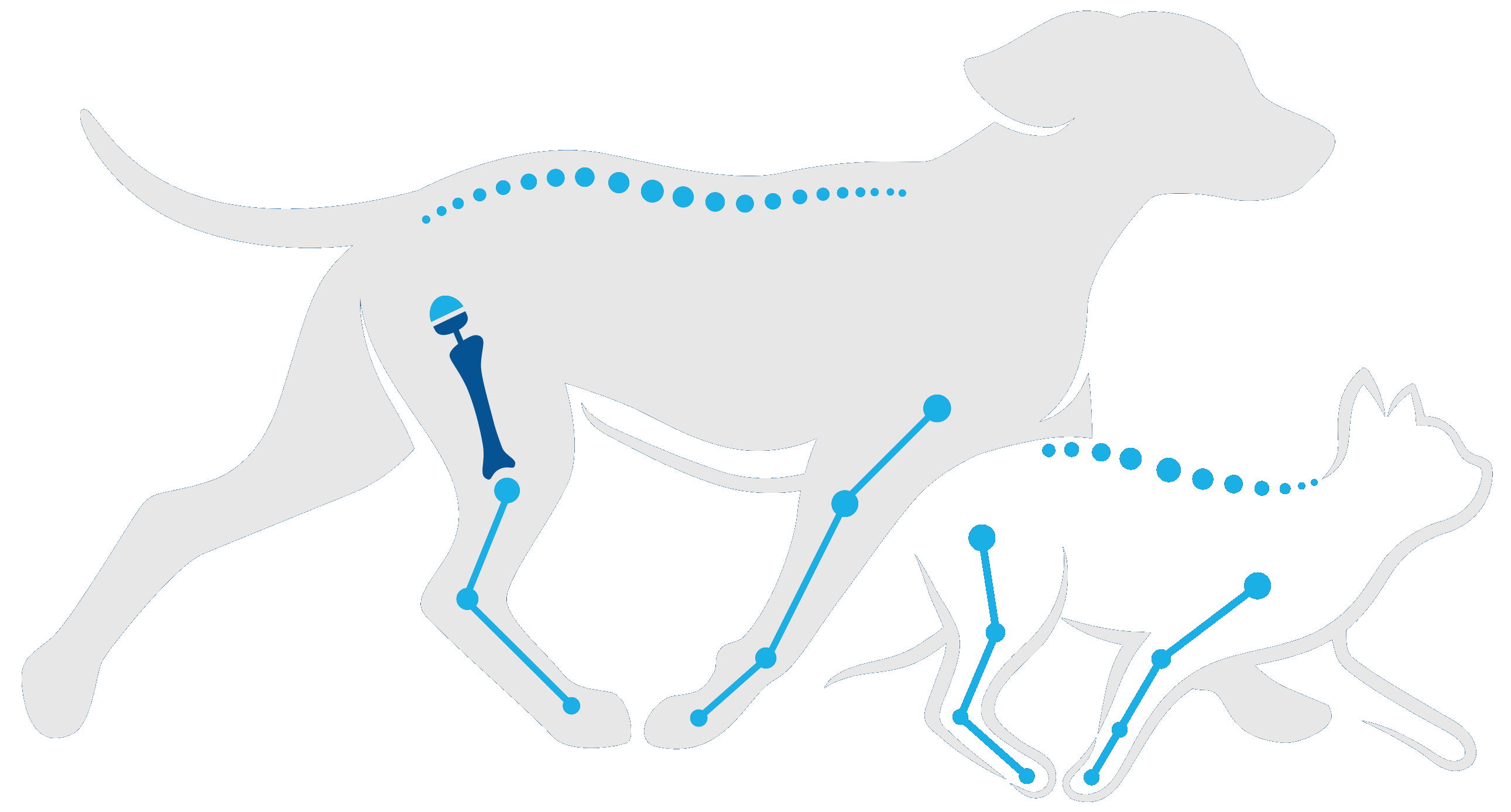
TPLO has become one of the most widely recommended surgical options worldwide for CCL tears in dogs and cats due to its high success rate and long-term benefits. Key advantages include:
Literature supports a 90-95% success rate with appropriate surgical technique and strict adherence to post operative instructions
Post-operative care is crucial to the success of TPLO. While your dog will likely begin using the leg within days of surgery, a structured rehabilitation program is essential. This typically includes:
Full recovery usually takes about three to four months, after which most dogs return to their normal activity levels.
Other types of surgery include Tibial tuberosity advancement, lateral suture stabilization techniques
No. Book an appointment to hear your options.
I think that TPLO surgery is appropriate for all ages if the owners are expecting a full return to athletic function
Always if the owner expects a full functional recovery
There are potential complications of all major surgeries including infection, compromised healing, implant failure. Strict adherence to post operative care will minimize these issues
We use a combination of pre operative and post operative medications to alleviate pain including opioid injections, epidural injections and then oral medications that your Doctor will prescribe based on the relevant health considerations of your pet.
Signs of pain include:
If you suspect your pet is in pain, contact us. Additional medications may be necessary.
Rehabilitation and Full Recovery
The final phase of recovery focuses on restoring your pet’s strength, mobility, and overall function.
Recheck Exam:
Gradual Return to Activity:
Rehabilitation Services:
A specialist would always be expected to provide the best level of care for this type of Orthopedic surgery.
A CCL injury can be a daunting experience, but with modern Veterinary orthopedic surgical techniques like TPLO, and physical rehabilitation there is hope for a full recovery.
At Veterinary Bone and Joint Specialists, we’re committed to providing the highest level of care for your pet’s orthopedic needs. If your dog is showing signs of lameness or knee pain, don’t hesitate to contact us.
Together, we can restore their mobility and ensure they live their happiest, healthiest life.
“Dr. Mason gave my dog a second chance at running—forever grateful!”
“Exceptional care! Our pup recovered faster than we imagined.”
“Highly skilled and compassionate—couldn’t ask for a better surgeon.”
“Dr. Mason’s expertise turned our pet’s pain into playful energy!”
“Top-notch orthopedic care! Our dog is back to hiking with us.”
“The best decision we made for our pet’s joint health!”
“Professional, kind, and truly cares—highly recommend!”
“Thanks to Dr. Mason, our senior dog moves like a puppy again!”
“Outstanding surgeon with a heart for animals.”
“Life-changing care—our dog is pain-free and happy!”
“Trustworthy, knowledgeable, and incredibly skilled.”
“Dr. Mason and his team are simply the best in orthopedic care!”