

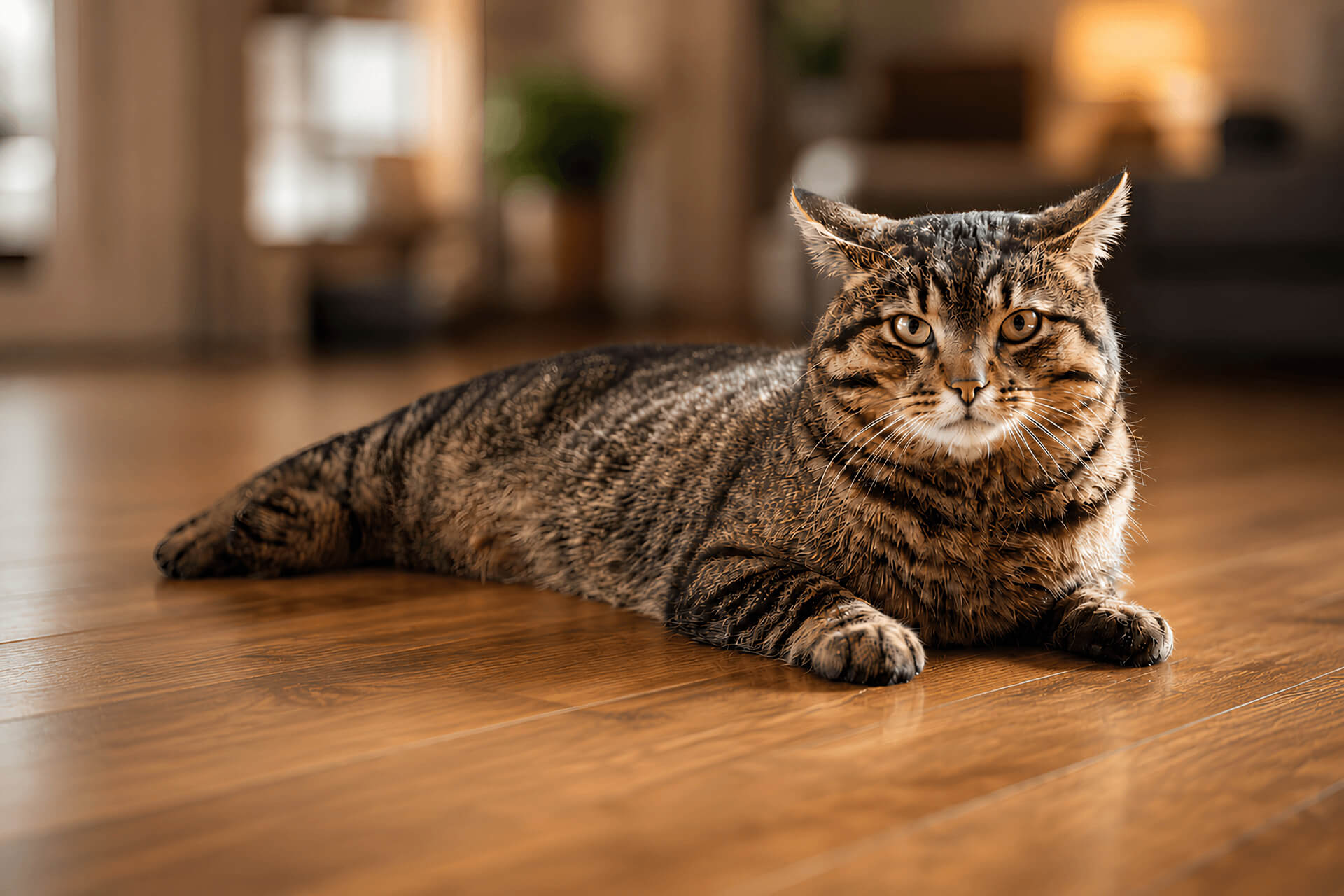
Cats are agile and athletic animals, but accidents happen, and broken bones are not uncommon. Whether from falls, car accidents, or rough play, fractures can cause extreme discomfort and mobility issues for your feline companion.
If your cat has a broken bone, immediate veterinary care is essential to ensure proper healing and prevent complications.
Understanding the types of fractures, treatment options, and post-surgical care can help cat owners make informed decisions about their pet’s health.

Cats are experts at hiding pain, so detecting a fracture may not be immediately obvious. However, some common signs indicate a serious injury:
If you suspect a fracture, seek veterinary attention immediately to prevent further damage and ensure proper healing.
Not all fractures are the same, and the type of break will determine the appropriate treatment method.
1. Complete vs. Incomplete Fractures
2. Open (Compound) vs. Closed Fractures
Each type of fracture requires different treatment methods, from splinting to surgical intervention. Your veterinarian will determine the best approach based on the severity of the injury.
At Veterinary Bone and Joint Specialists, your pet’s mobility and well-being are our top priorities. With decades of experience, board certifications, and a passion for innovative orthopedic care, Dr. Mason offers advanced, minimally invasive treatments tailored to each patient.
His expertise in joint replacement, fracture repair, and regenerative medicine ensures your pet receives world-class care in a compassionate environment.




The severity and location of the fracture will determine the best treatment method.
Your veterinarian will determine the most suitable treatment based on the location, severity, and type of fracture, as well as your cat’s overall health and age.
The healing process is just as important as the surgery itself. Proper post-surgical care ensures a smooth and pain-free recovery.
By following your veterinarian’s recovery plan, your cat can regain full mobility and comfort as they heal.
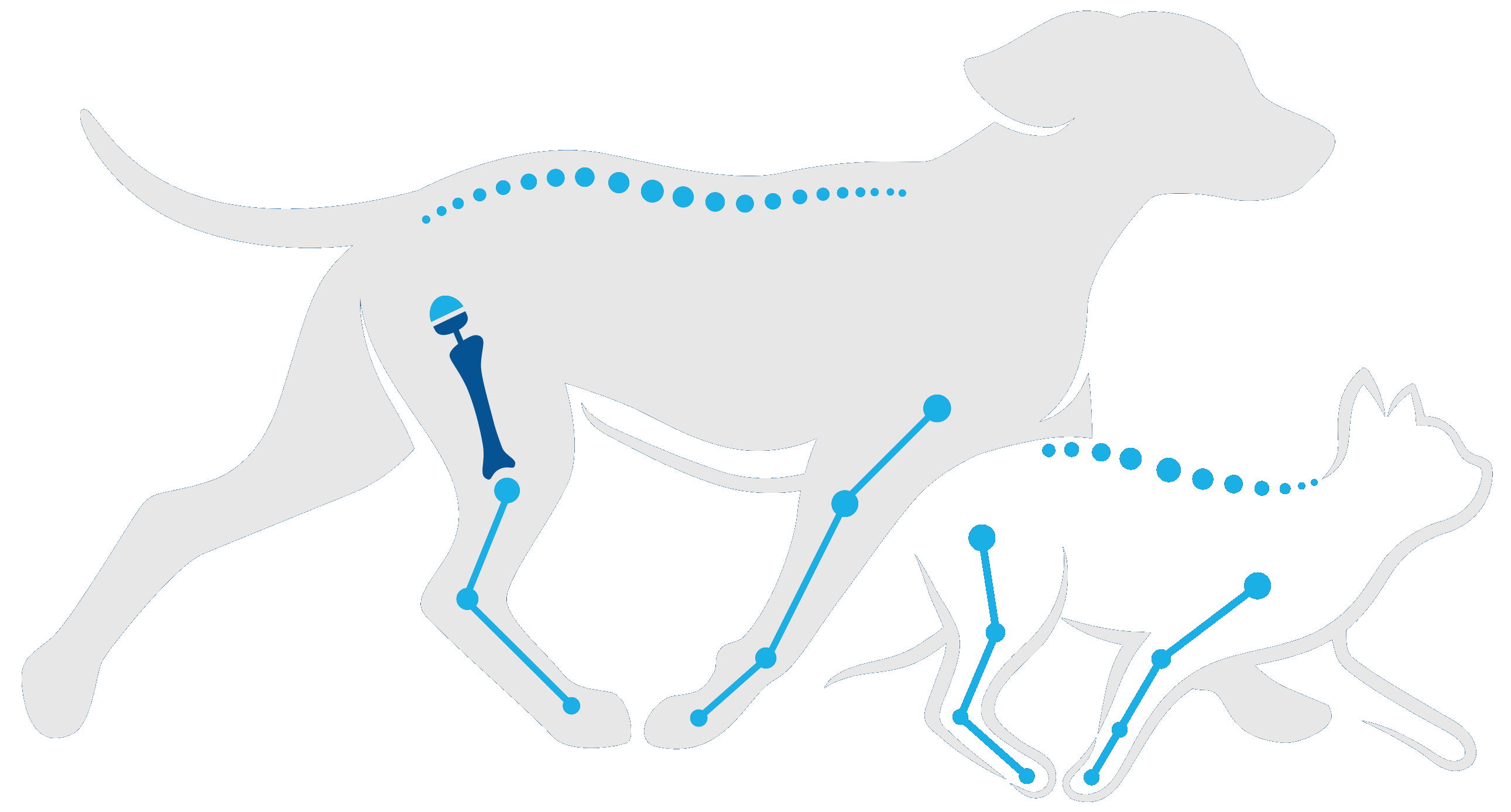
The cost of cat fracture surgery varies based on several factors, including:
While minor fractures may be treated with a splint or cast at a lower cost, surgical repairs (such as plates and screws) can be a significant investment.
However, prompt treatment ensures better healing, preventing long-term mobility issues and additional medical expenses down the road.
Many pet insurance plans help cover the costs of fracture repair, and some veterinary clinics offer payment plans to assist with expenses.
Most cat fractures take 4-8 weeks to heal, depending on the severity of the break and the treatment method used.
While bones can attempt to heal on their own, improper alignment may lead to malformation, chronic pain, or limited mobility. Veterinary treatment ensures proper healing and prevents long-term issues.
Yes, limited movement is crucial. Keeping your cat in a small, enclosed space prevents re-injury and promotes proper bone healing.
Untreated fractures can lead to misaligned bones, chronic pain, infection, and permanent disability, severely affecting your cat’s quality of life.
A broken leg alone is not typically life-threatening for a cat, but if left untreated, complications can arise that may put their life at risk. Severe fractures, especially open (compound) fractures, can lead to infection, blood loss, or shock, which can be dangerous if not addressed promptly. Additionally, if a cat’s leg is broken due to a **traumatic event** like being hit by a car, there may be internal injuries that could be life-threatening. Seeking immediate veterinary care ensures proper treatment, pain management, and prevention of complications that could impact your cat’s overall health and survival.
If your cat has suffered a fracture, prompt treatment is essential for a successful recovery. Our experienced team at Veterinary Bone and Joint Specialists provides advanced fracture repair to restore your cat’s mobility and comfort.
Contact us today to schedule a consultation and ensure your feline friend receives the best possible care!
“Dr. Mason gave my dog a second chance at running—forever grateful!”
“Exceptional care! Our pup recovered faster than we imagined.”
“Highly skilled and compassionate—couldn’t ask for a better surgeon.”
“Dr. Mason’s expertise turned our pet’s pain into playful energy!”
“Top-notch orthopedic care! Our dog is back to hiking with us.”
“The best decision we made for our pet’s joint health!”
“Professional, kind, and truly cares—highly recommend!”
“Thanks to Dr. Mason, our senior dog moves like a puppy again!”
“Outstanding surgeon with a heart for animals.”
“Life-changing care—our dog is pain-free and happy!”
“Trustworthy, knowledgeable, and incredibly skilled.”
“Dr. Mason and his team are simply the best in orthopedic care!”