

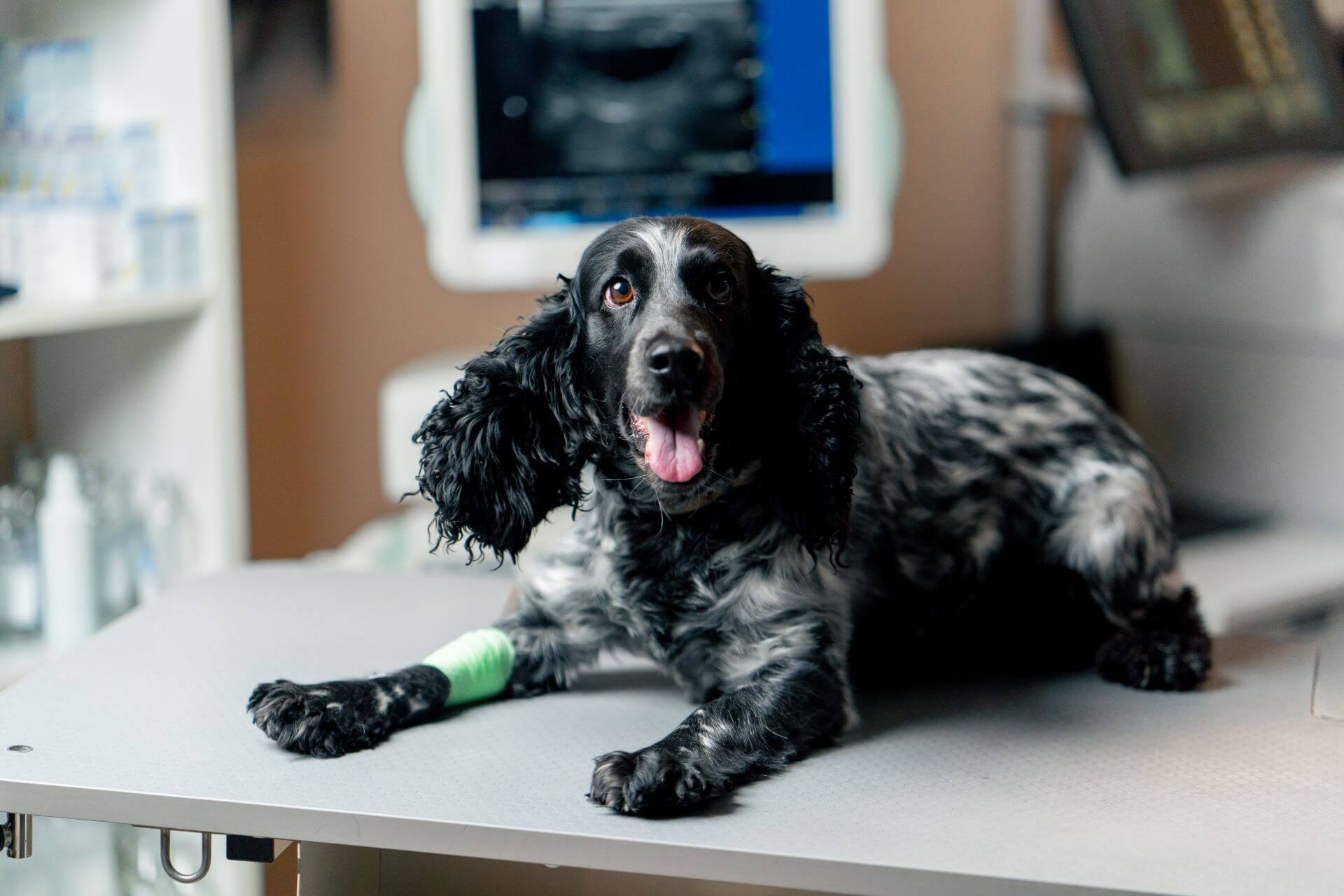
Dogs can break their legs due to accidents, falls, trauma, or sudden impacts, such as being hit by a car or rough play. A fractured leg is a serious injury that causes pain, swelling, and mobility issues, requiring prompt veterinary attention.
Immediate care is essential to prevent complications like misalignment, infection, or delayed healing. In many cases, surgery is necessary to stabilize the bone and ensure proper recovery. With timely treatment and post-surgical care, most dogs regain mobility and return to an active, pain-free life.
Consulting a veterinarian promptly ensures the best possible outcome for your pet.
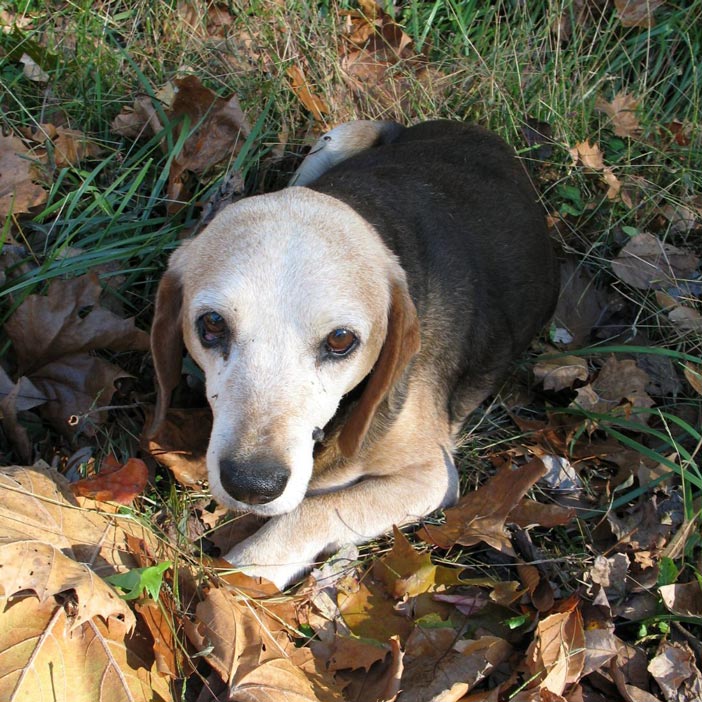
Signs of a broken leg in dogs can vary, but common indicators include limping or refusal to bear weight on the affected limb. You may also notice swelling, bruising, or an obvious deformity in the leg.
Dogs in pain often whimper, cry, or excessively lick the injured area as a response to discomfort. If you suspect a fracture, it’s essential to seek immediate veterinary care to prevent further injury and ensure proper treatment for a safe recovery.
At Veterinary Bone and Joint Specialists, your pet’s mobility and well-being are our top priorities. With decades of experience, board certifications, and a passion for innovative orthopedic care, Dr. Mason offers advanced, minimally invasive treatments tailored to each patient.
His expertise in joint replacement, fracture repair, and regenerative medicine ensures your pet receives world-class care in a compassionate environment.




The cost of dog broken leg surgery depends on factors such as the severity of the fracture, the type of procedure required, and the veterinary clinic’s location. Expenses typically include diagnostic tests like X-rays, anesthesia, surgical fees, medications, and follow-up care.
Simple fractures may be treated with splints or pins, while complex breaks may require plates or external fixation, increasing costs. Additional factors, such as emergency services or post-surgical rehabilitation, can also impact the total expense.
While surgery can be a significant investment, timely treatment ensures proper healing, reduces pain, and helps restore your dog’s mobility and quality of life.
Recovery and post-surgery care for a dog’s broken leg require strict rest, pain management, and regular veterinary check-ups. Your dog may need a splint, cast, or restricted movement for several weeks to ensure proper healing.
Controlled leash walks and physical therapy can aid in rehabilitation once approved by the veterinarian. Monitoring for swelling, infection, or discomfort is essential.
Providing a comfortable, confined space and following prescribed medications will help ensure a smooth recovery and restore your dog’s mobility.
Although a broken bone is not typically life-threatening, it is a serious injury that requires prompt veterinary care. Immediate treatment is crucial, especially if your dog has experienced trauma, as there may be unseen injuries that need attention. Seeking veterinary care ensures proper healing and prevents further complications.
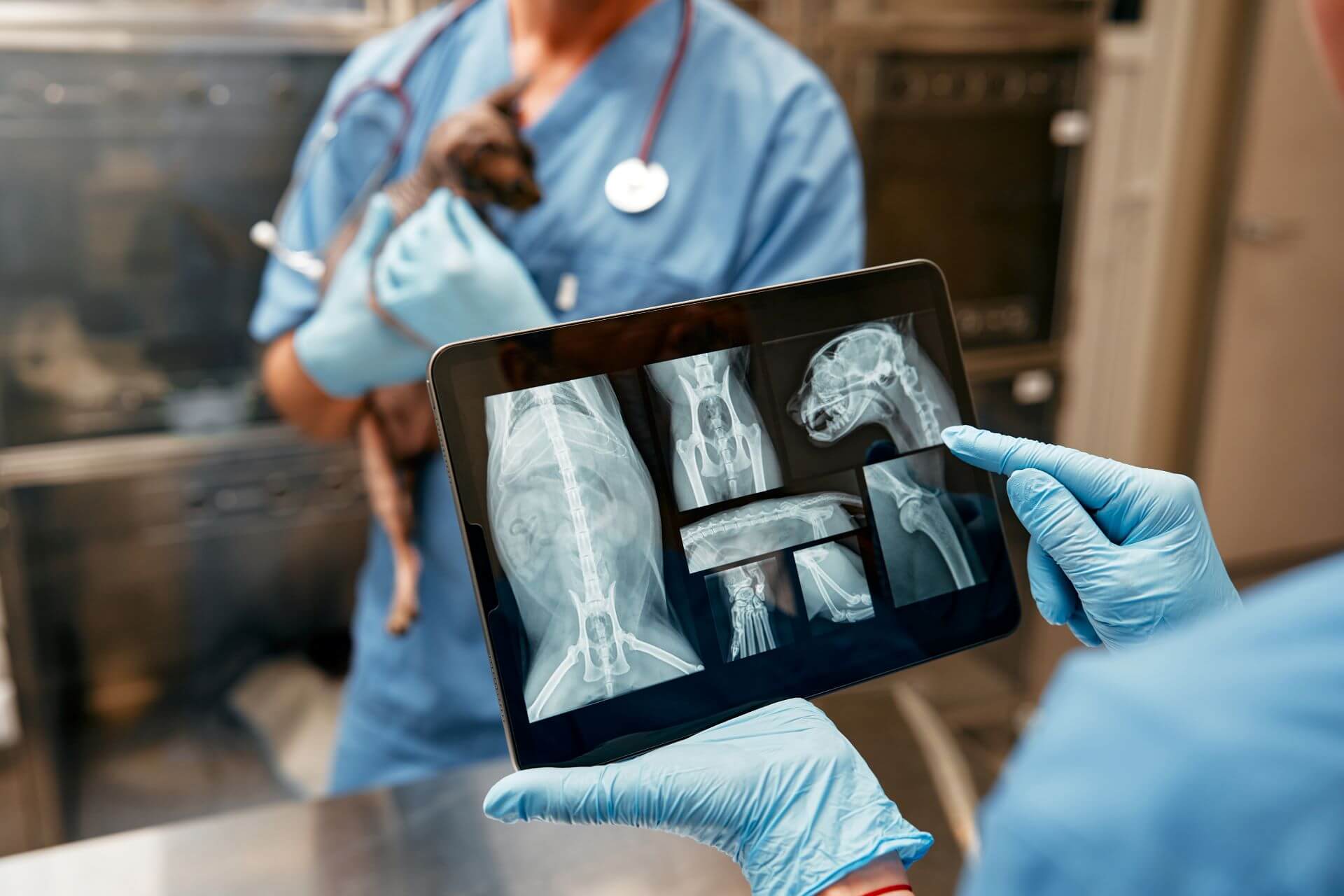
To be sure of this answer diagnostic imaging via either x ray or CT scan are required. A fracture often causes severe pain, swelling, and an inability to bear weight, while a sprain may result in limping and mild swelling with some mobility. A veterinary examination is essential for an accurate diagnosis.
Although dogs’ bones have the ability to heal naturally, a broken leg rarely heals properly without veterinary care. Without treatment, complications such as misalignment, delayed healing, or infection can occur, leading to long-term mobility issues and discomfort.
If you suspect your dog has a fracture, seek emergency veterinary care immediately. Prompt treatment helps minimize complications and ensures proper healing. Broken legs are extremely painful, and a veterinarian can quickly provide pain relief and the necessary medical care to support your pet’s recovery. Surgery itself is rarely performed as an out of hours emergency but your surgeon will always discuss this with you.
Even if your dog doesn’t appear to be in severe pain, handling a broken bone or dislocated joint can cause unnecessary discomfort and potentially worsen the injury.
As a general rule, most dogs will avoid putting weight on a broken leg, torn ligament, or dislocated joint, indicating the severity of the condition.
If your dog has suffered a fracture, immediate veterinary care is essential for proper healing and pain management.
At Veterinary Bone and Joint Specialists, our expert team is dedicated to providing emergency fracture care with advanced treatment options. Contact us today to ensure your pet receives the best care for a safe and successful recovery.
“Dr. Mason gave my dog a second chance at running—forever grateful!”
“Exceptional care! Our pup recovered faster than we imagined.”
“Highly skilled and compassionate—couldn’t ask for a better surgeon.”
“Dr. Mason’s expertise turned our pet’s pain into playful energy!”
“Top-notch orthopedic care! Our dog is back to hiking with us.”
“The best decision we made for our pet’s joint health!”
“Professional, kind, and truly cares—highly recommend!”
“Thanks to Dr. Mason, our senior dog moves like a puppy again!”
“Outstanding surgeon with a heart for animals.”
“Life-changing care—our dog is pain-free and happy!”
“Trustworthy, knowledgeable, and incredibly skilled.”
“Dr. Mason and his team are simply the best in orthopedic care!”