
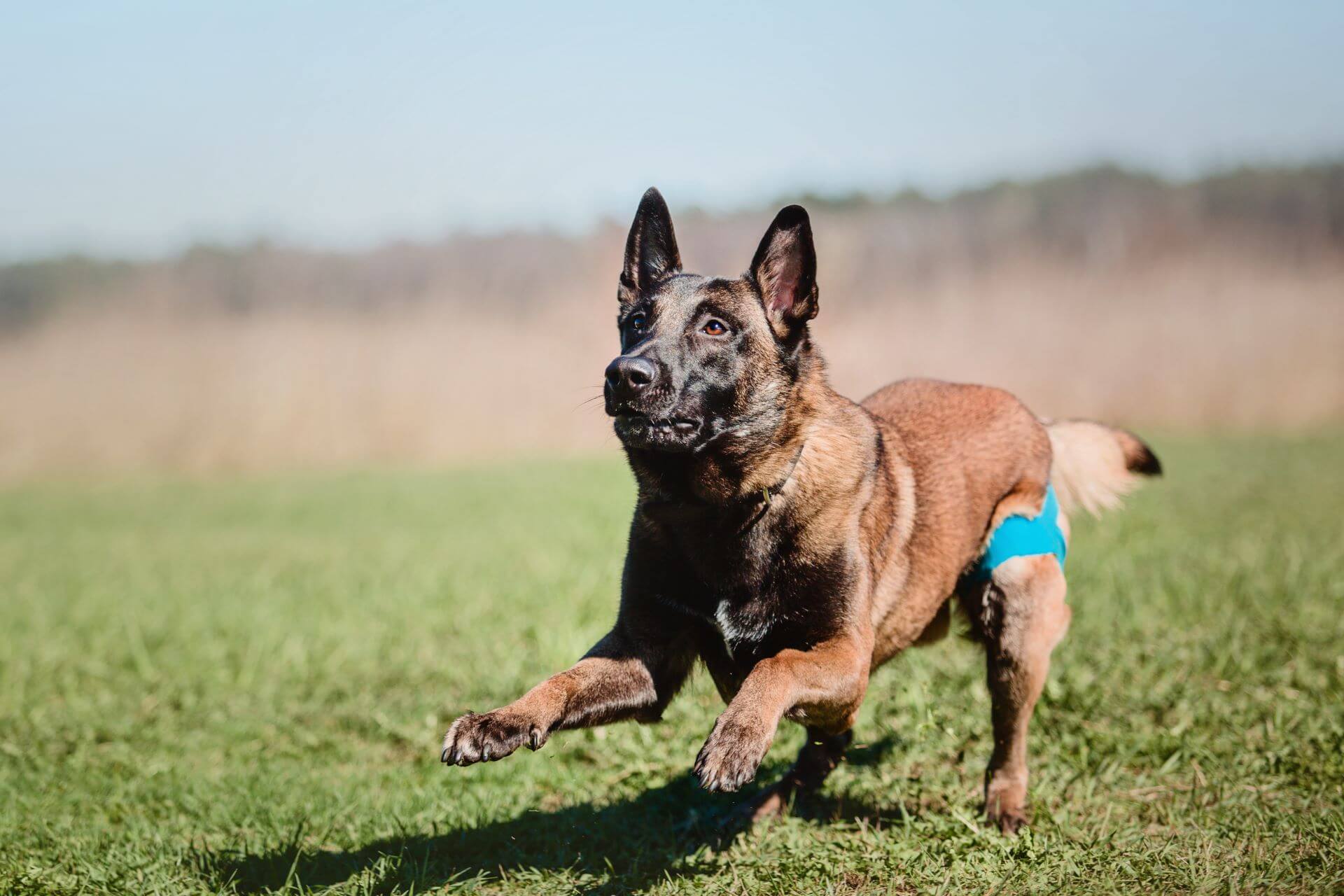
Total hip replacement (THR) can be the most effective surgical solution for dogs suffering from severe hip dysplasia or arthritis. This procedure replaces the damaged hip joint with an artificial implant, restoring pain-free movement.
At Vet Bone and Joint, Dr. David R. Mason, DACVS, DECVS, MRCVS, specializes in performing THR with state-of-the-art techniques to ensure the best outcomes.

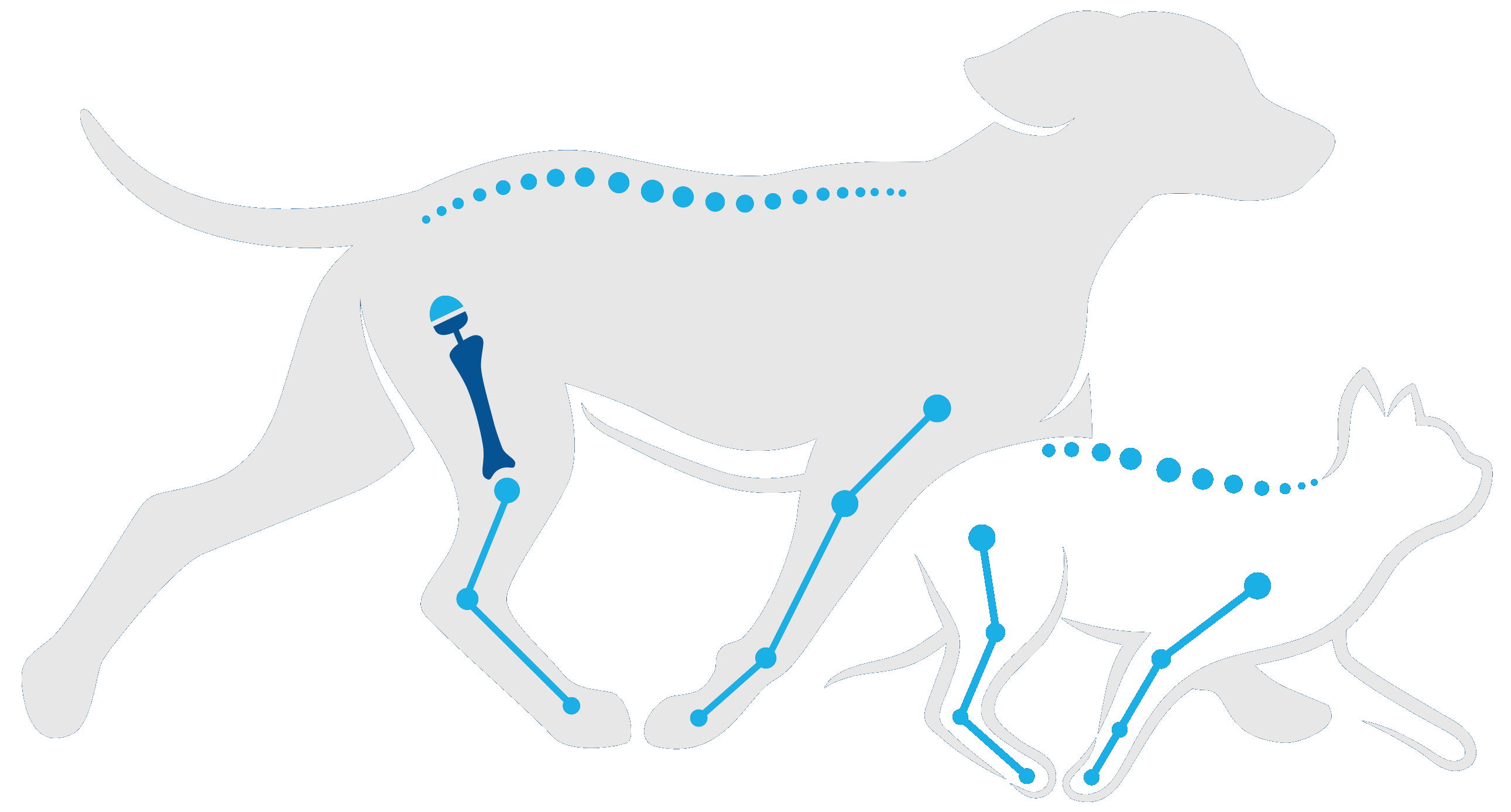
THR involves removing the diseased femoral head and acetabulum and replacing them with a prosthetic (artificial) joint. This restores smooth movement and eliminates joint pain.
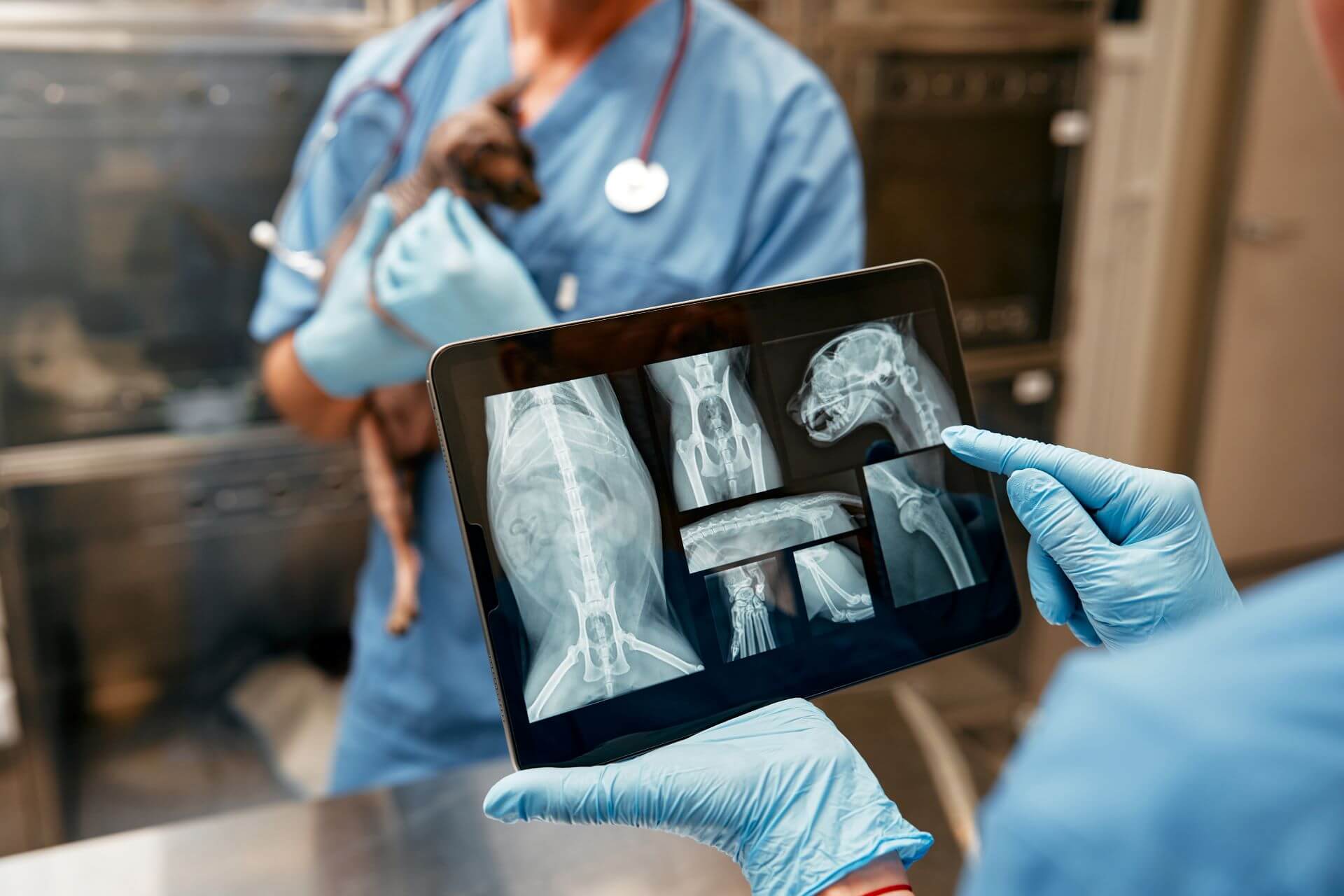
Signs that a total hip replacement may be necessary include hind limb lameness, difficulty standing or jumping, reduced exercise tolerance, post-exercise pain, decreased activity, and muscle loss. X-rays reveal hip arthritis from dysplasia before and after replacement.
At Veterinary Bone and Joint Specialists, your pet’s mobility and well-being are our top priorities. With decades of experience, board certifications, and a passion for innovative orthopedic care, Dr. Mason offers advanced, minimally invasive treatments tailored to each patient.
His expertise in joint replacement, fracture repair, and regenerative medicine ensures your pet receives world-class care in a compassionate environment.

The cost of total hip replacement depends on various factors, including the dog’s size, the type of implant used, and the required post-operative care. While THR is a significant financial investment, it provides long-term pain relief and improved mobility, making it a worthwhile option for many pet owners.
Our team at Vet Bone and Joint can provide guidance on financial planning and available treatment options.
Dogs undergoing total hip replacement require careful post-operative care. The recovery period lasts approximately 8-12 weeks, during which exercise should be restricted to prevent complications.
Physical therapy may be recommended to aid in muscle strengthening and mobility improvement. Our veterinary team will provide a detailed recovery plan to ensure the best possible outcome for your pet.
Dogs with severe hip dysplasia or arthritis who do not respond to medications and therapy may be ideal candidates.
Yes, hip replacement for large dogs typically costs more than for small dogs due to larger implants, increased surgical complexity, and longer procedure times.
THR has a high success rate of over 90%, with most dogs regaining full mobility.
Surgery typically lasts 2-3 hours, and dogs stay in the hospital for 1-2 days post-operation.
Like any surgery, there are risks such as infection or implant loosening, but these are rare with experienced surgeons.
Total hip replacement in dogs has a high success rate, around 90-95%, significantly improving mobility, reducing pain, and restoring normal activity levels.
Week 1: Rest, pain management.
Week 2-4: Limited movement, light therapy.
Week 5-8: Increased activity, rehab.
Week 9+: Gradual return to normal activities.
After your dog’s hip replacement, you can typically start walking your dog immediately for short durations of time, depending on recovery progress. Use a short leash, avoid pulling, and follow your doctor’s recommendations.
If your dog is struggling with hip pain, contact Vet Bone and Joint to schedule a consultation. Dr. David R. Mason, DACVS, DECVS, MRCVS, and our team provide expert care for total hip replacements to help your pet regain a pain-free life.
“Dr. Mason gave my dog a second chance at running—forever grateful!”
“Exceptional care! Our pup recovered faster than we imagined.”
“Highly skilled and compassionate—couldn’t ask for a better surgeon.”
“Dr. Mason’s expertise turned our pet’s pain into playful energy!”
“Top-notch orthopedic care! Our dog is back to hiking with us.”
“The best decision we made for our pet’s joint health!”
“Professional, kind, and truly cares—highly recommend!”
“Thanks to Dr. Mason, our senior dog moves like a puppy again!”
“Outstanding surgeon with a heart for animals.”
“Life-changing care—our dog is pain-free and happy!”
“Trustworthy, knowledgeable, and incredibly skilled.”
“Dr. Mason and his team are simply the best in orthopedic care!”