
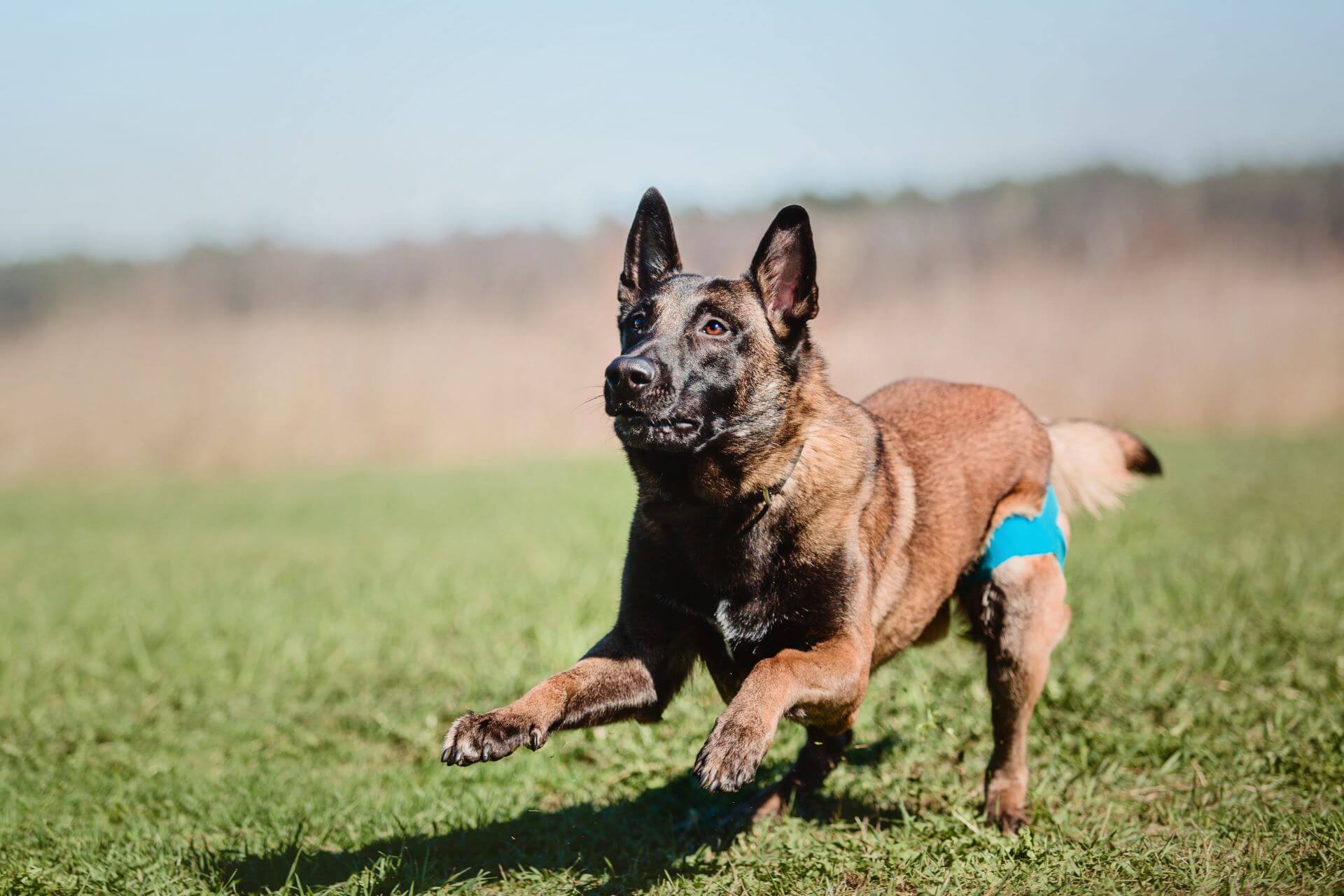
Hip dysplasia is a common orthopedic condition in dogs, particularly in large and giant breeds. It is a genetic disorder that causes the hip joint to develop improperly, leading to arthritis and discomfort. If left untreated, hip dysplasia can severely impact a dog’s quality of life. At Veterinary Bone and Joint Specialists, led by Dr. David R. Mason, DACVS, DECVS, MRCVS, we specialize in diagnosing and treating hip dysplasia with advanced surgical and non-surgical options.
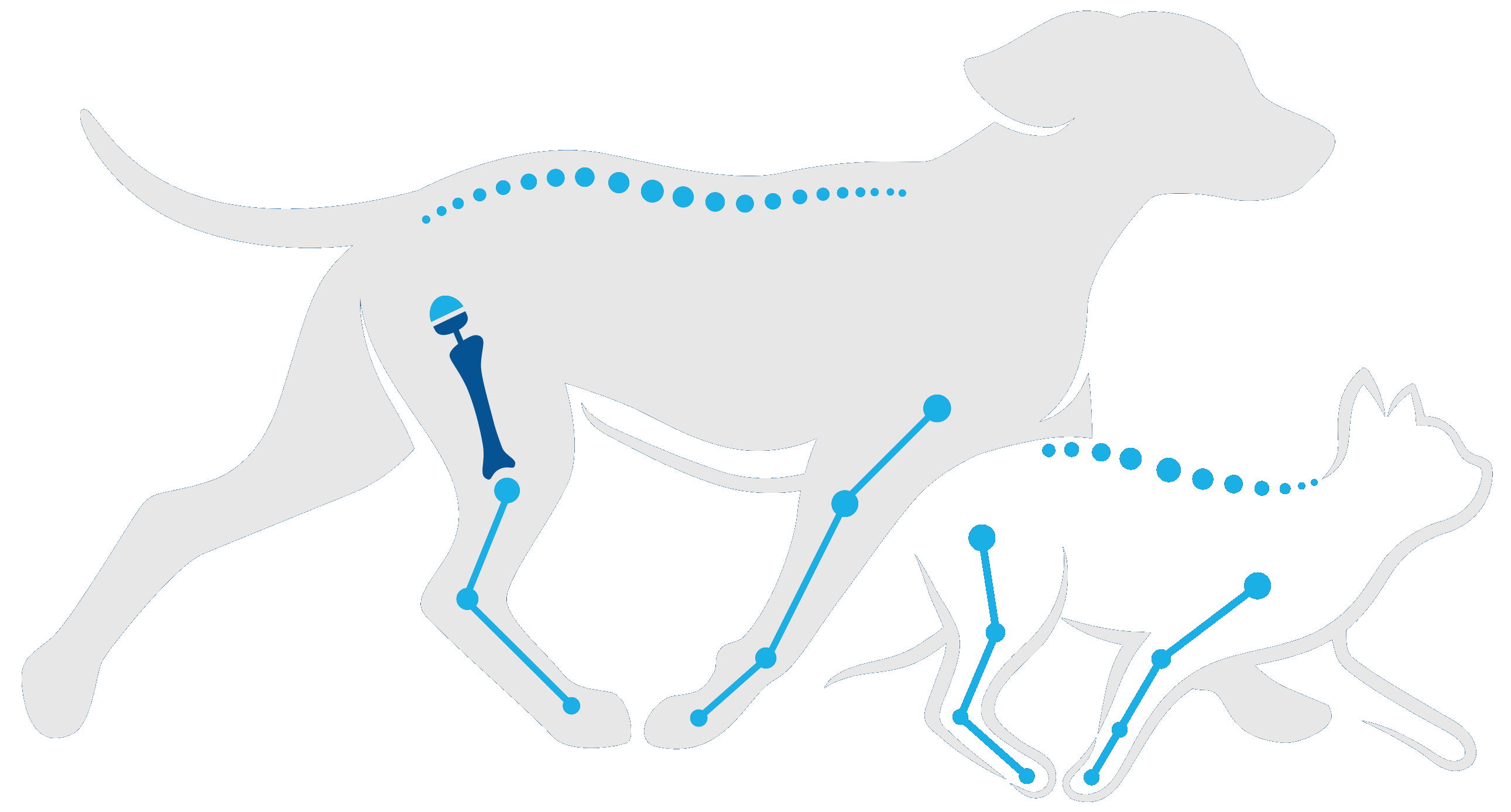
Hip dysplasia occurs when the ball and socket of the hip joint do not fit together correctly. Over time, this leads to joint wear and arthritis. Symptoms include limping, difficulty rising, reluctance to exercise, and noticeable pain.
Hip dysplasia in dogs is caused by a combination of genetic and environmental factors. Inherited joint abnormalities lead to improper hip development, while rapid growth, obesity, poor nutrition, and excessive exercise can worsen the condition.
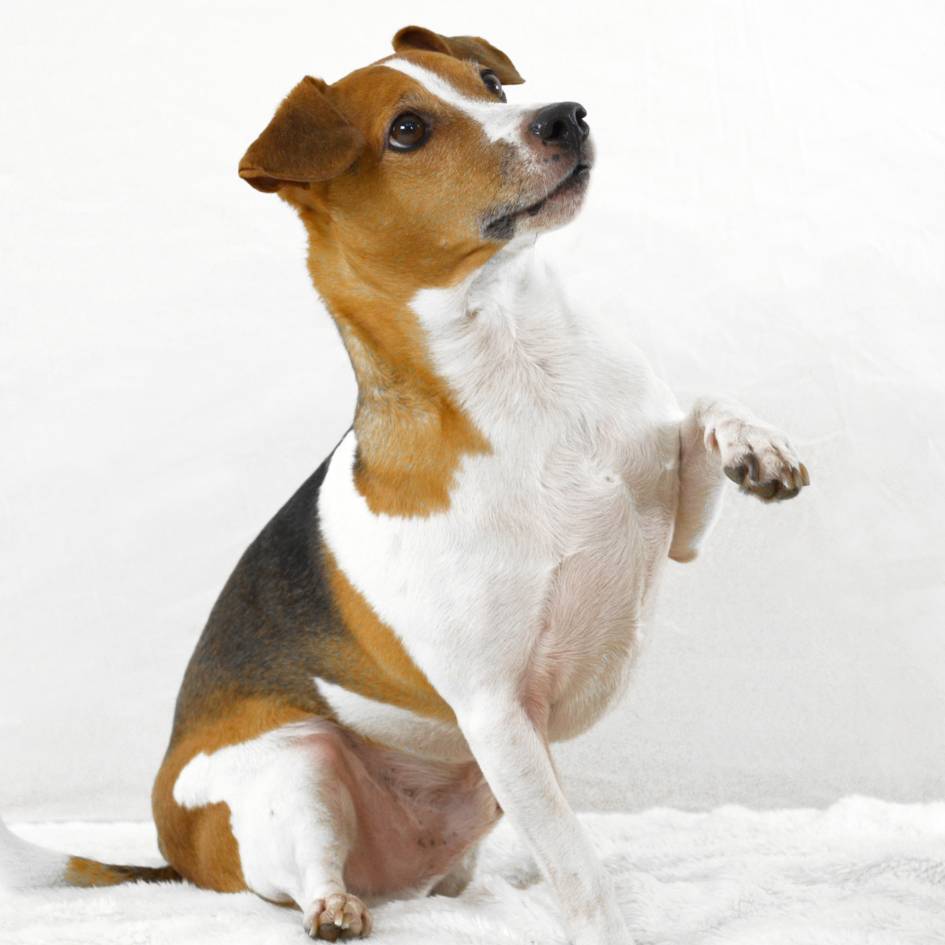
Early signs of hip dysplasia in dogs include hind leg weakness, difficulty standing, a wobbly gait, reluctance to climb stairs or jump, and limping. Some dogs may show decreased activity, stiffness, or discomfort after exercise. The classic gait is described as “bunny hopping” where pets will advance both hind legs at the same time when they move quickly.
Hip dysplasia symptoms can appear in puppies that are only a few months old and otherwise symptoms can develop at any point in their lifetime.
At Veterinary Bone and Joint Specialists, your pet’s mobility and well-being are our top priorities. With decades of experience, board certifications, and a passion for innovative orthopedic care, Dr. Mason offers advanced, minimally invasive treatments tailored to each patient.
His expertise in joint replacement, fracture repair, and regenerative medicine ensures your pet receives world-class care in a compassionate environment.



The cost of treating hip dysplasia varies based on the severity of the condition, the treatment approach, and additional rehabilitation services required.
Non-surgical treatments such as medications and therapy are generally less expensive, while surgical interventions, including total hip replacement, involve higher costs due to the complexity of the procedure and post-operative care. We recommend discussing financial considerations with our team at Veterinary Bone and Joint Specialists to find the best treatment plan for your pet.
Recovery from hip dysplasia treatment depends on the chosen method. Dogs undergoing non-surgical treatments such as weight management and physical therapy may see gradual improvements over weeks to months.
Surgical interventions typically require a structured recovery period, including restricted activity for 8-12 weeks. Post-surgical rehabilitation plays a crucial role in ensuring optimal recovery, and our veterinary team will provide a personalized recovery plan to support your pet’s healing process.
End-stage hip dysplasia in dogs causes severe pain, muscle loss, extreme difficulty standing or walking, constant limping, reluctance to move, stiffness, and noticeable joint deformity, often leading to immobility and decreased quality of life.
Large breeds like German Shepherds, Labrador Retrievers, and Golden Retrievers are at higher risk due to genetic predisposition.
Treatments such as medication, therapy, and surgery can significantly improve a dog’s mobility and quality of life. The definition of cure is defined by the owners expectations in many cases.
If your dog experiences pain, limited mobility, or does not respond to conservative treatments, surgery treatment such as a total hip replacement may be recommended.
Recovery time varies, but most dogs take 8-12 weeks to regain full mobility after a total hip replacement.
Weakness and discomfort in the hind legs are common clinical signs. Affected dogs may appear unsteady and hesitant to stand up from a sitting or lying position. Some may develop a limp or show reluctance to climb stairs.
While these symptoms can appear in puppies as young as a few months old, they are most frequently observed in dogs between one and two years of age.
The best method of alleviating clinical signs of hip dysplasia in dogs is by maintaining a healthy weight, providing balanced nutrition, regular low-impact exercise, avoiding overexertion in puppies, and choosing breeds with responsible genetic screening for hip health before breeding.
Hip dysplasia in dogs appears as a wobbly gait, hind leg weakness, difficulty standing, reluctance to run or climb stairs, limping, stiffness, and an altered posture, often with a swaying or bunny-hopping motion.
If your dog is showing signs of hip dysplasia, schedule an appointment with Veterinary Bone and Joint Specialists Dr. David R. Mason, DACVS, DECVS, MRCVS, and our expert team offer the best treatments to restore your pet’s mobility and comfort.
“Dr. Mason gave my dog a second chance at running—forever grateful!”
“Exceptional care! Our pup recovered faster than we imagined.”
“Highly skilled and compassionate—couldn’t ask for a better surgeon.”
“Dr. Mason’s expertise turned our pet’s pain into playful energy!”
“Top-notch orthopedic care! Our dog is back to hiking with us.”
“The best decision we made for our pet’s joint health!”
“Professional, kind, and truly cares—highly recommend!”
“Thanks to Dr. Mason, our senior dog moves like a puppy again!”
“Outstanding surgeon with a heart for animals.”
“Life-changing care—our dog is pain-free and happy!”
“Trustworthy, knowledgeable, and incredibly skilled.”
“Dr. Mason and his team are simply the best in orthopedic care!”