
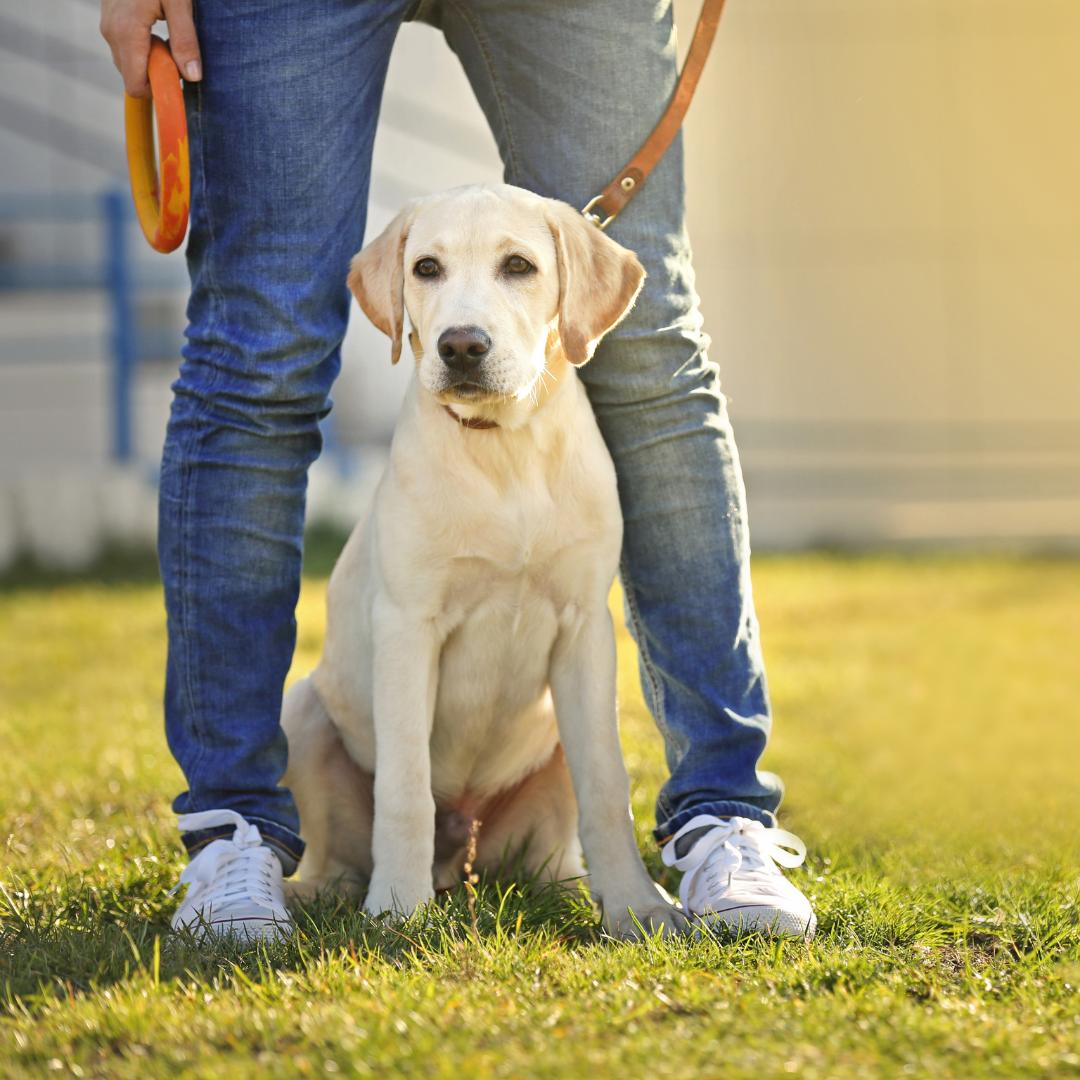
Elbow dysplasia is a developmental orthopedic condition that affects the elbow joint in dogs. It results from abnormal bone growth, cartilage development, or joint conformation, leading to pain, lameness, and arthritis. The condition often develops in young, rapidly growing dogs of large and giant breeds.
At Vet Bone and Joint Specialists Dr. David R. Mason, DACVS, DECVS, MRCVS, specializes in diagnosing and treating elbow dysplasia through advanced surgical and non-surgical methods to improve joint function and relieve discomfort.
Elbow dysplasia is a complex condition caused by a combination of genetic and environmental factors. The main contributors include:
Dogs with elbow dysplasia may show signs as early as 4-6 months of age. Common symptoms include:
If left untreated, elbow dysplasia can lead to severe arthritis, reducing mobility and overall quality of life.
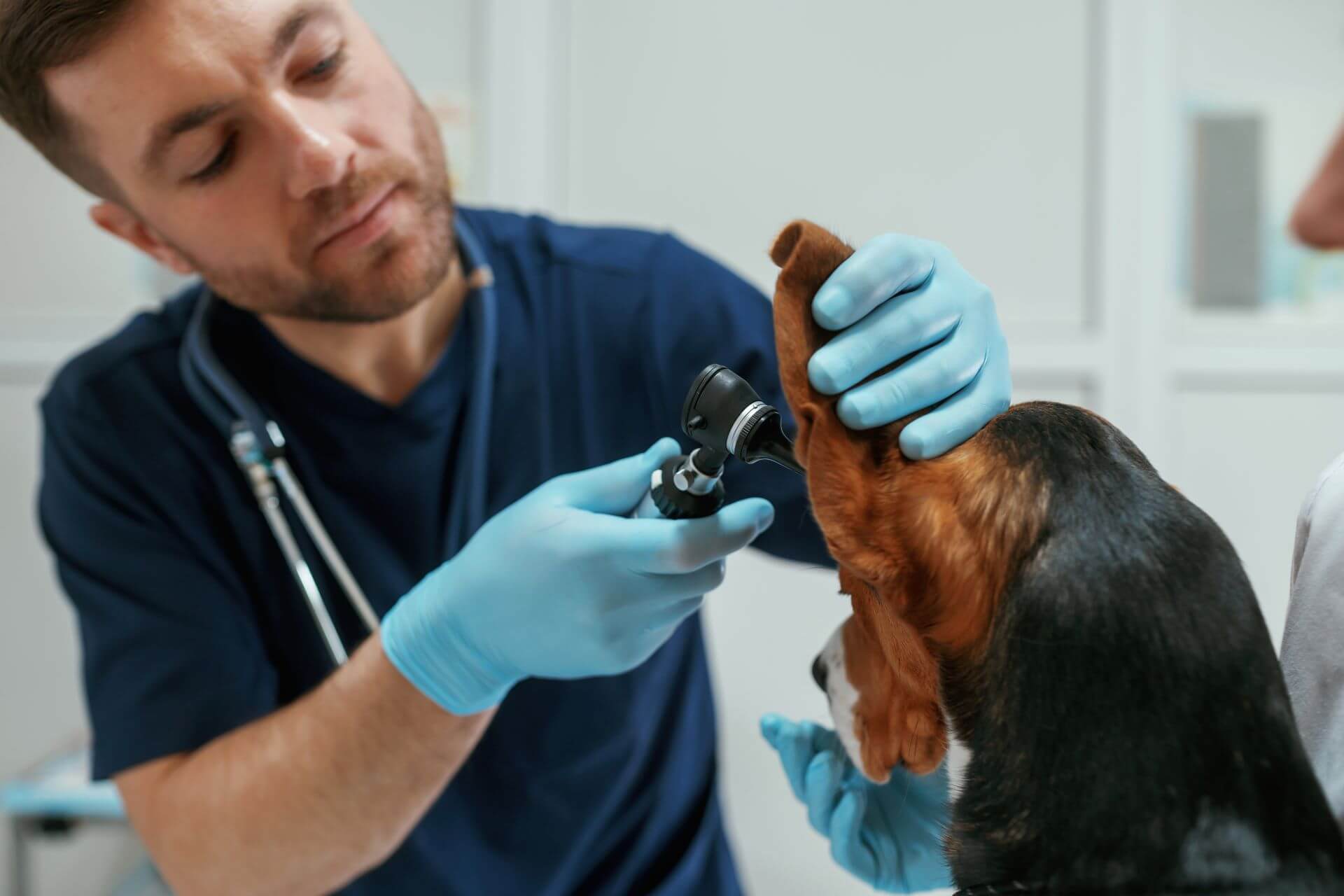
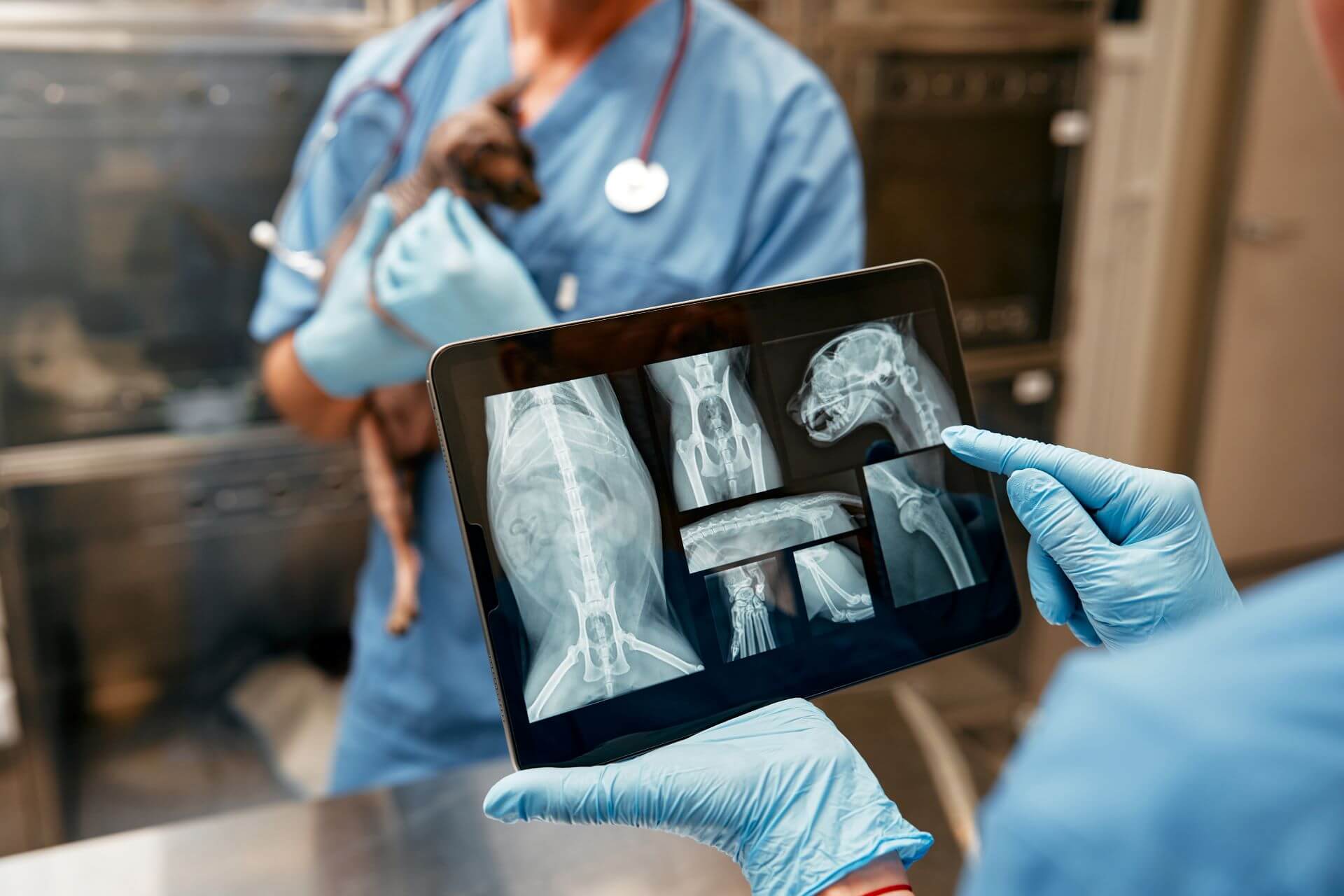
A veterinarian will use multiple diagnostic methods to confirm elbow dysplasia, including:
Evaluating lameness, joint swelling, and range of motion.
Detecting joint abnormalities and signs of arthritis.
Providing detailed imaging for complex cases.
Types of Elbow Dysplasia
A minimally invasive procedure to assess the inside of the joint and treat abnormalities.
At Veterinary Bone and Joint Specialists, your pet’s mobility and well-being are our top priorities. With decades of experience, board certifications, and a passion for innovative orthopedic care, Dr. Mason offers advanced, minimally invasive treatments tailored to each patient.
His expertise in joint replacement, fracture repair, and regenerative medicine ensures your pet receives world-class care in a compassionate environment.

Non-Surgical Treatments
For mild cases or dogs that are not surgical candidates, non-surgical management can help reduce pain and improve joint function.
Treatment options include:
Surgical Treatments
Surgery is often required for moderate to severe cases of elbow dysplasia to relieve pain and prevent further joint deterioration.
Common surgical procedures include:
Pros of Surgery:
Cons of Surgery:
The cost of treating elbow dysplasia depends on the severity and the method chosen.
Cost can include, Initial Consultation & Imaging (X-rays, CT scans, MRI), Non-Surgical Management (Medication, Supplements, Therapy), Arthroscopy, Ulnar Osteotomy, and Total Elbow Replacement (TER).
Post-operative care, rehabilitation, and medication costs can vary, so discussing financial options with our team is recommended.
Recovery depends on the severity of the condition and the treatment method used:
Post-Surgical Care Tips:
While genetic factors play a significant role, prevention strategies (for clinical signs) include controlled growth through proper nutrition, maintaining a healthy weight, and avoiding excessive strain on young puppies’ joints.
Yes, large breeds like Labrador Retrievers, Golden Retrievers, German Shepherds, Rottweilers, and Bernese Mountain Dogs are at higher risk.
Dogs with elbow dysplasia often require ongoing management, even after surgery, to maintain joint health and prevent arthritis.
Most cases develop between 4-12 months of age, but symptoms can worsen over time as arthritis progresses.
Yes, with proper treatment and management, many dogs can enjoy a high quality of life with minimal pain. A “normal life” is all relative to the lifestyle of the owner and the pet and needs to be discussed with your surgeon in order to devise the best individual treatment plan for each case.
Untreated elbow dysplasia leads to chronic pain, severe arthritis, decreased mobility, and a lower quality of life.
If your dog is showing signs of elbow dysplasia, contact Vet Bone and Joint Specialists for expert evaluation and treatment. Dr. David R. Mason, DACVS, DECVS, MRCVS, specializes in advanced surgical and non-surgical interventions to restore joint function and improve your pet’s quality of life.
“Dr. Mason gave my dog a second chance at running—forever grateful!”
“Exceptional care! Our pup recovered faster than we imagined.”
“Highly skilled and compassionate—couldn’t ask for a better surgeon.”
“Dr. Mason’s expertise turned our pet’s pain into playful energy!”
“Top-notch orthopedic care! Our dog is back to hiking with us.”
“The best decision we made for our pet’s joint health!”
“Professional, kind, and truly cares—highly recommend!”
“Thanks to Dr. Mason, our senior dog moves like a puppy again!”
“Outstanding surgeon with a heart for animals.”
“Life-changing care—our dog is pain-free and happy!”
“Trustworthy, knowledgeable, and incredibly skilled.”
“Dr. Mason and his team are simply the best in orthopedic care!”